
Now Reading: SEO Basics for Beginners: The Complete Step-by-Step Guide to Ranking on Google
- 01
SEO Basics for Beginners: The Complete Step-by-Step Guide to Ranking on Google
SEO Basics for Beginners: The Complete Step-by-Step Guide to Ranking on Google

Introduction
SEO Basics for Beginners: The Complete Step-by-Step Guide to Ranking on Google is a complete roadmap for anyone who wants to understand how search engines work and how websites rank on Google in 2026. This guide on SEO Basics for Beginners explains how search engines work
In this guide, you will learn the core principles of search engine optimization, including keyword research, on-page SEO, technical SEO, and link-building strategies that improve visibility. Whether you are running a blog, an online store, or a business website, mastering these basics helps you attract organic traffic and improve your search rankings over time. This step-by-step approach focuses on practical techniques, user experience, and long-term SEO success rather than shortcuts or outdated tricks.
Many beginners fail because they focus on shortcuts, secret hacks, and outdated ranking tricks instead of understanding how SEO truly works. Modern SEO is no longer about keyword stuffing. Today, Google focuses more on high-quality content, user experience, authority, and search intent.
This detailed guide explains the foundations of beginner SEO in simple English so readers can understand:
- How search engines work;
- How websites rank;
- Which SEO practices matter most?
- And how to build long-term organic traffic.
What Is SEO Basics for Beginners: Keyword Research
Learning SEO Basics for Beginners helps you understand how search engines rank websites.
Definition of SEO
SEO stands for Search Engine Optimization. It is the process of improving a website so it ranks higher on search engine results pages (SERPs).
For example:
If someone searches for:
- best beginner SEO tips
- How to rank on Google
- SEO guide for beginners
Google tries to show the most relevant, trustworthy, and useful pages.
SEO helps your website become one of those top results.
How Search Engines Work
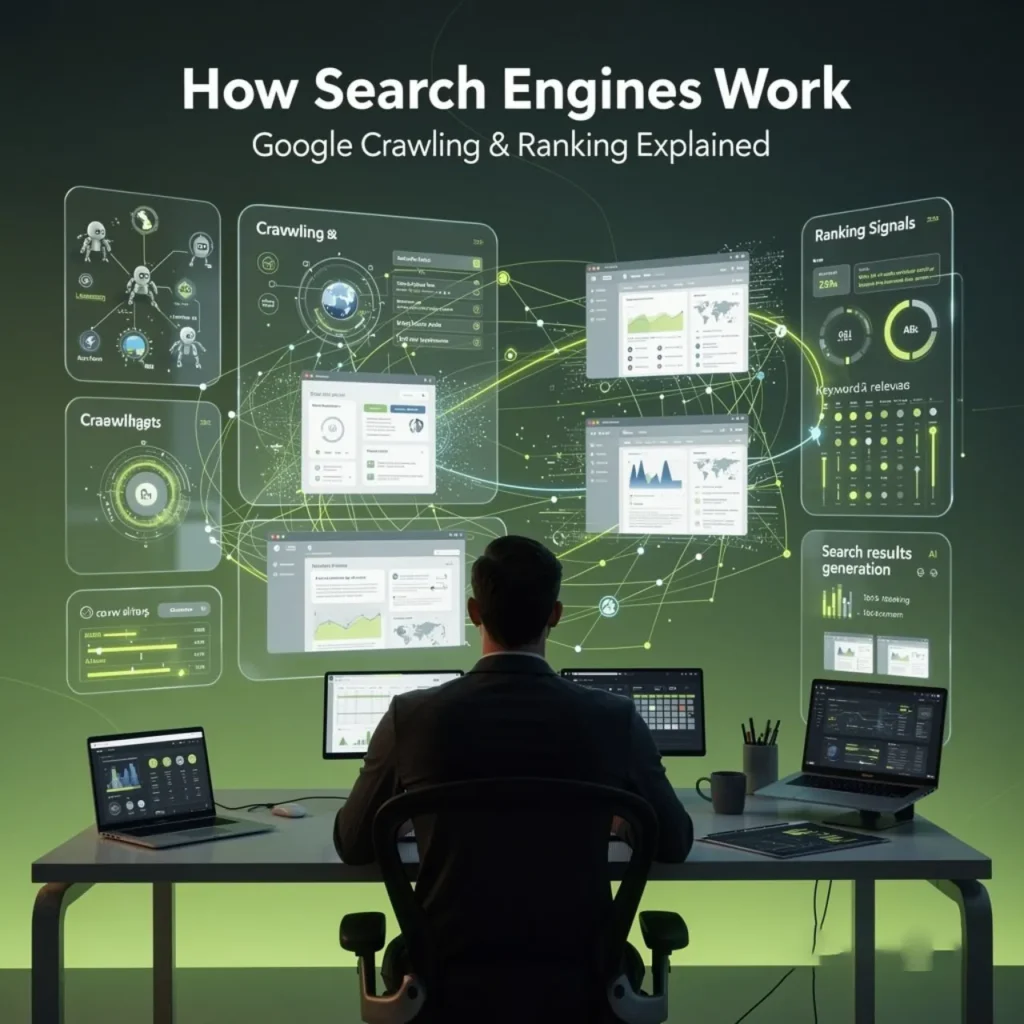
Search engines use automated systems called crawlers or bots to scan websites across the internet.
The process happens in three major stages:
| Stage | Explanation |
| Crawling | Search engines discover webpages |
| Indexing | Pages are stored inside Google’s database |
| Ranking | Google decides which pages deserve higher positions |
Understanding this process is essential because rankings are not random. Google evaluates factors such as content quality, page speed, backlinks, mobile usability, and user engagement before ranking webpages.
Why SEO Is Important for Websites
SEO matters because organic traffic is free, targeted, and long-lasting.
Unlike paid ads:
- SEO traffic can continue for months or years.
- Good rankings build authority.
- Organic visitors often trust websites more.
Benefits of SEO
| Benefit | Why It Matters |
| Free Traffic | Reduces advertising costs |
| Higher Visibility | More people discover your brand |
| Better Trust | Top-ranking websites appear more credible |
| Long-Term Growth | SEO compounds over time |
| More Sales & Leads | Targeted traffic converts better |
Without SEO, even excellent content can remain invisible online.
Types of SEO
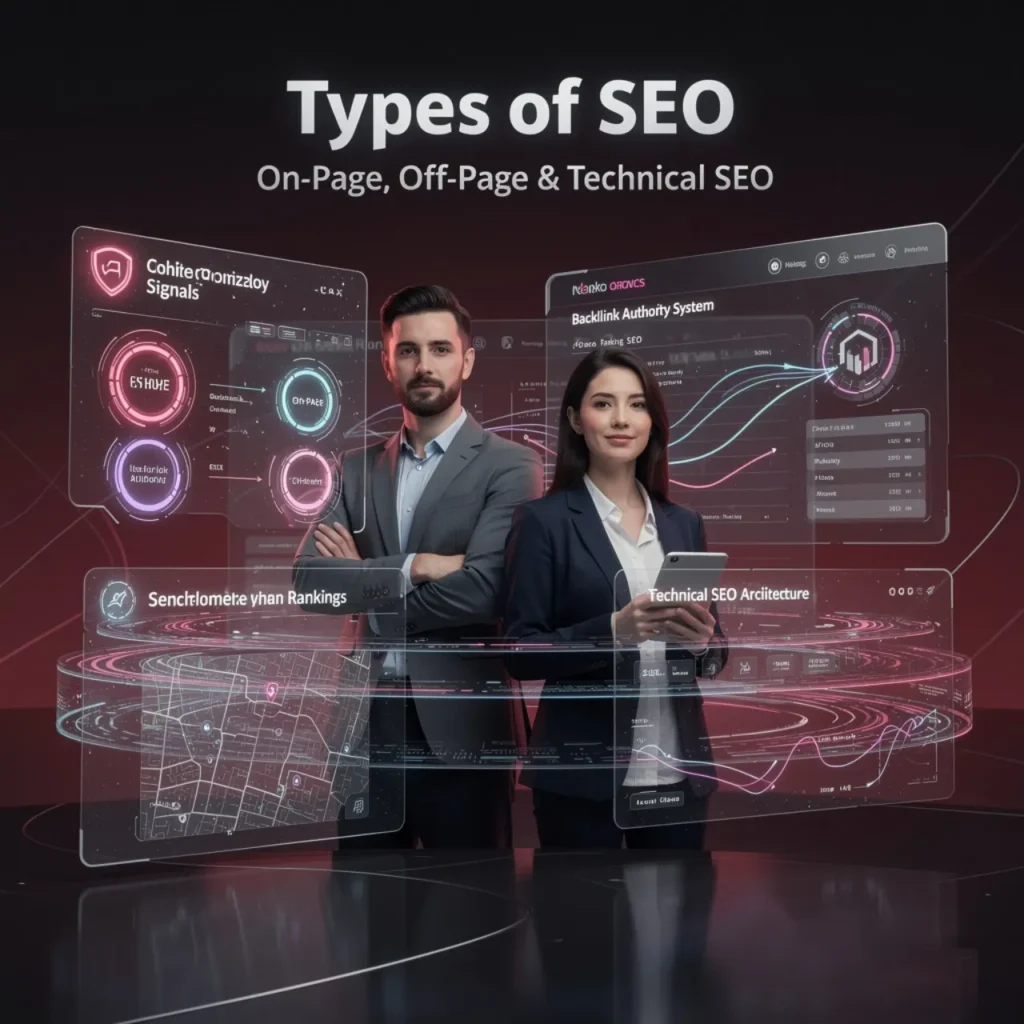
A major part of SEO fundamentals is understanding the four main types of SEO.
On-Page SEO
On-page SEO refers to optimizations made directly on a webpage.
This includes:
- Titles.
- Keywords.
- Headings.
- Images.
- Internal links.
- Content quality.
Good on-page SEO helps search engines understand the topic of your content clearly.
Off-Page SEO
Off-page SEO focuses on activities outside your website.
The biggest factor is backlinks. A backlink occurs when another website links to your content.
Search engines often treat backlinks as votes of trust.
Technical SEO
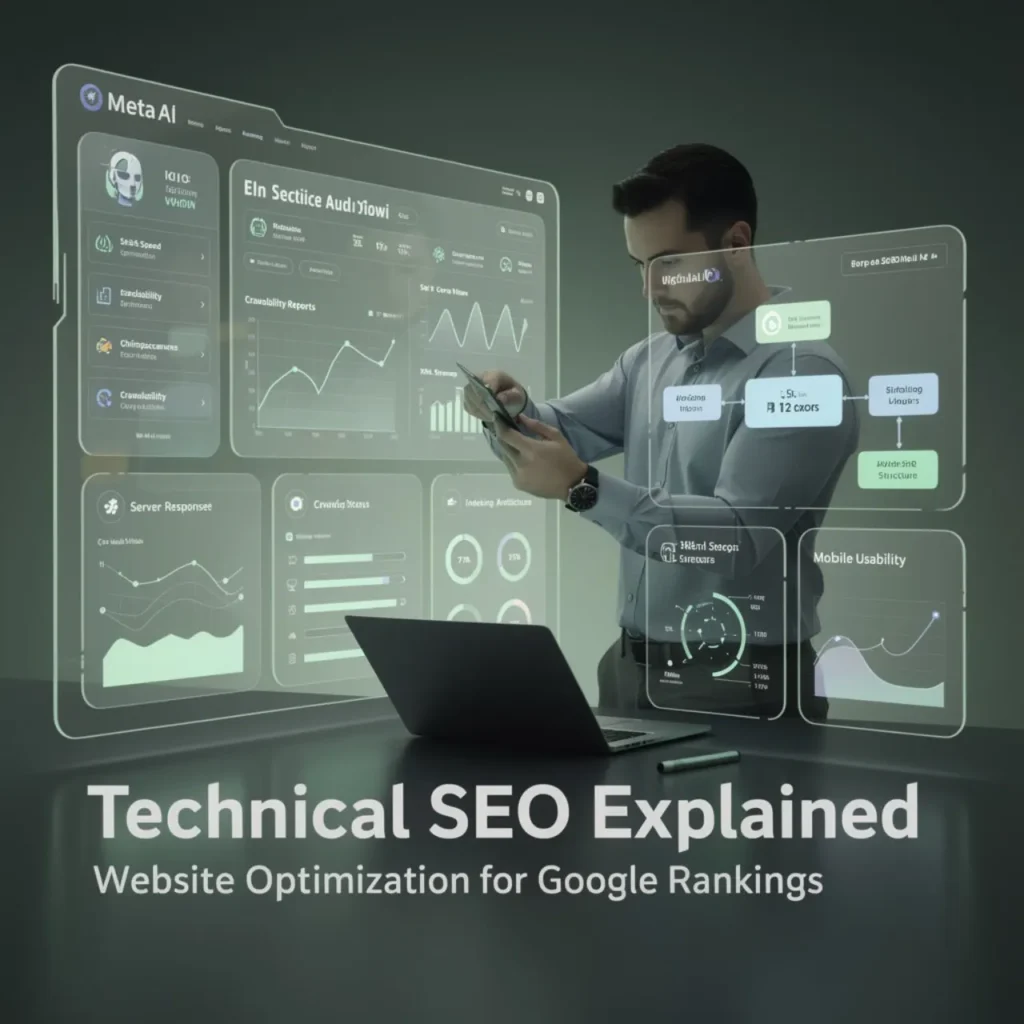
Technical SEO improves the structure and performance of a website.
Key areas include:
- Website speed;
- Mobile optimization;
- HTTPS security;
- XML sitemaps;
- Crawlability.
Many beginners ignore technical SEO; however, a slow or broken website can damage rankings even if the content is excellent.
Local SEO
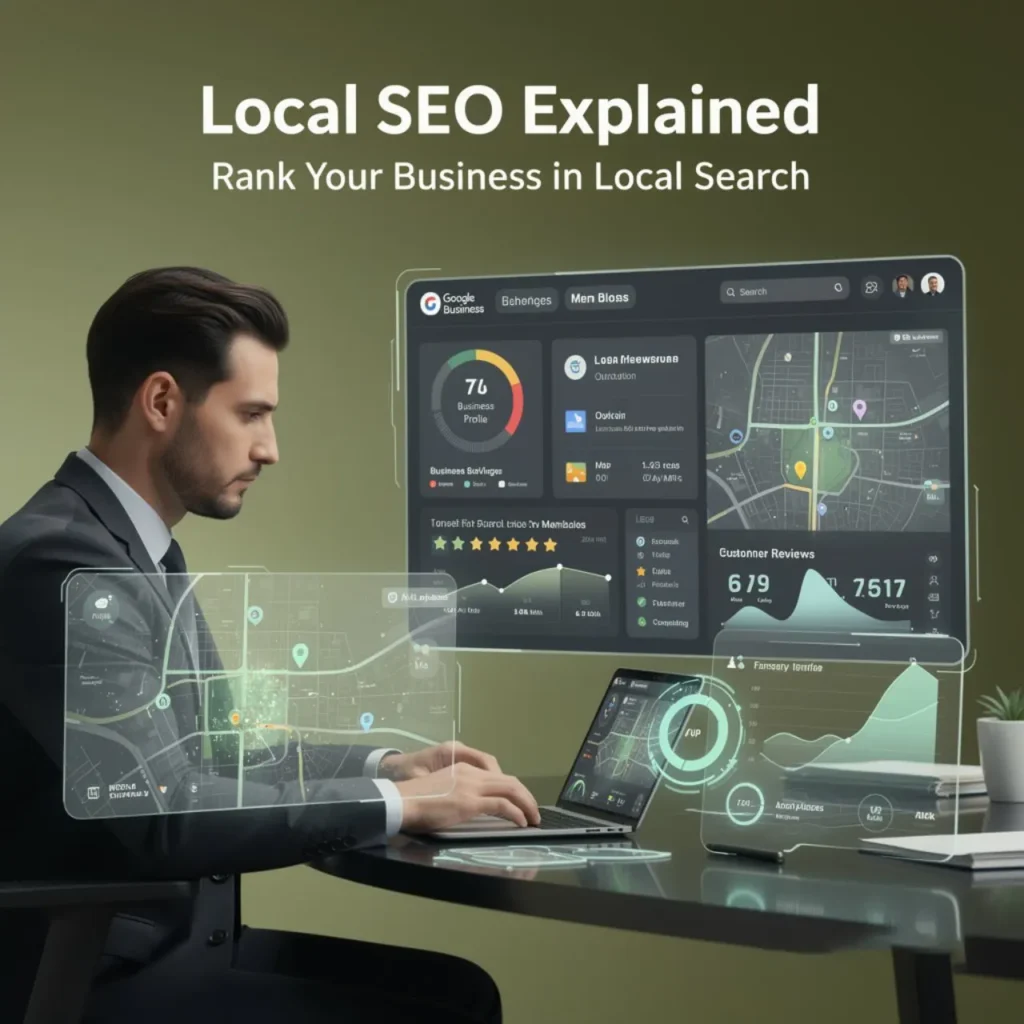
Local SEO helps businesses appear in local searches, such as:
- restaurants near me
- best dentist in Karachi
- coffee shops nearby
This type of SEO is critical for local businesses targeting nearby customers.
Keyword Research for Beginners
In SEO Basics for Beginners, keyword research plays a key role in finding ranking opportunities.
What Keywords Are
Keywords are the words or phrases users type into search engines.
Examples include:
- Basic SEO techniques
- SEO guide 2026
- How to improve Google rankings
Choosing the right keywords determines whether people can discover your content.
Short-Tail vs Long-Tail Keywords
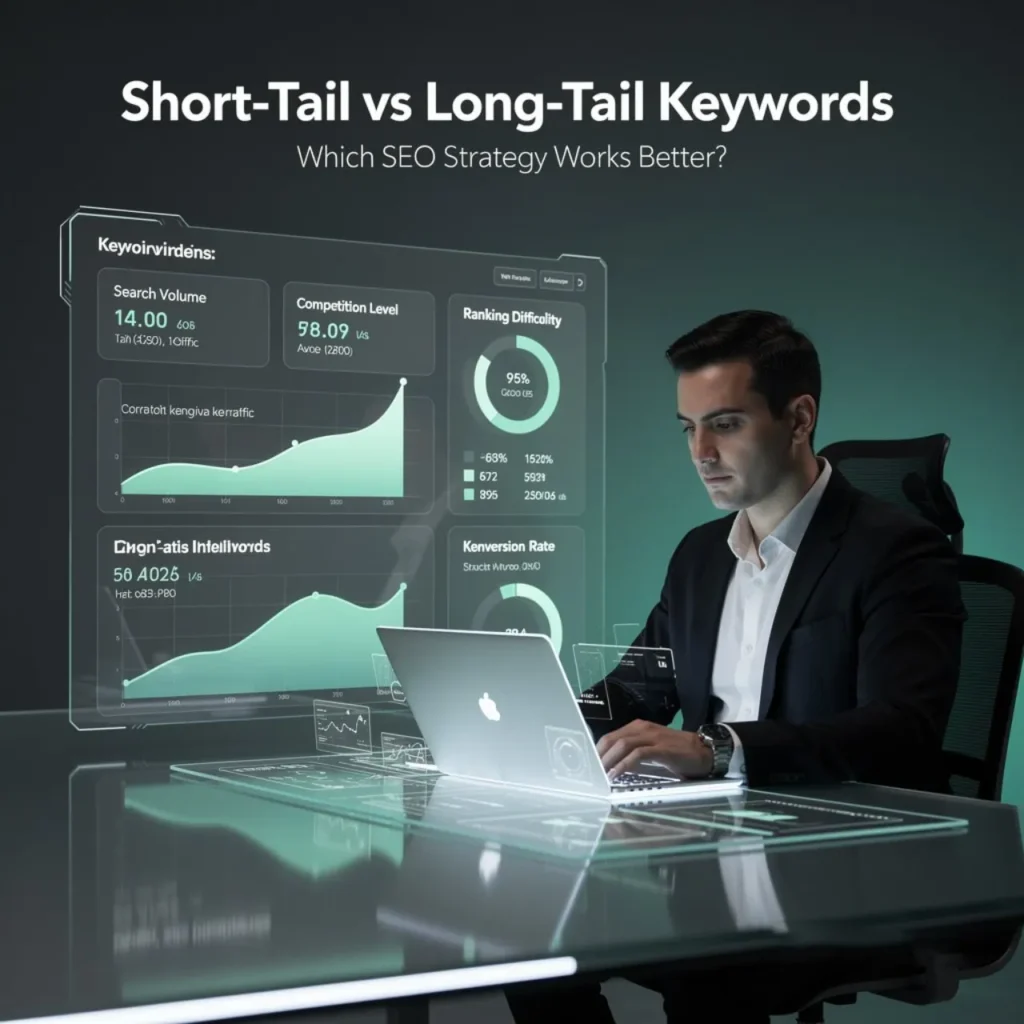
There are two major keyword categories:
| Keyword Type | Example | Competition Level |
| Short-Tail | SEO | Very High |
| Long-Tail | SEO Basics for Beginners in 2026 | Lower |
Beginners should prioritize long-tail keywords because they are easier to rank for and often attract more targeted visitors. In SEO Basics for Beginners, keyword research is very important
Best Free Keyword Research Tools
Several free tools help beginners discover keyword ideas:
| Tool | Purpose |
| Google Keyword Planner | Keyword ideas & search volume |
| Google Trends | Trending search topics |
| AnswerThePublic | Question-based keywords |
| Ubersuggest | SEO keyword suggestions |
The biggest beginner mistake is targeting highly competitive keywords too early.
On-Page SEO Basics
SEO Basics for Beginners teaches how to optimize titles, headings, and content structure effectively.
Optimizing Titles and Meta Descriptions.
The page title is one of the strongest ranking signals.
A strong SEO title should:
- Include the target keyword.
- Be readable;
- Create curiosity;
- Encourage clicks.
Example
| Weak Title | Strong Title |
| SEO Guide | SEO guide for beginners: Complete 2026 Guide |
Meta descriptions also improve click-through rates, commonly called CTR.
How to Write SEO Articles That Rank on Google’s First Page (Within 48 Hours)

Using Headings Properly
Headings organize content for:
- Readers;
- Search engines.
A proper structure usually looks like this:
- H1: Main title;
- H2: Major sections;
- H3: Subtopics.
Good formatting improves readability and SEO performance.
Internal Linking Basics
Internal links connect one page of your website to another.
Benefits include:
- Better navigation;
- Improved crawlability;
- Increased authority distribution.
Many beginners publish articles without linking related pages together; this weakens the website’s structure significantly.

Image Optimization Tips
Modern websites often use WebP images and lazy loading to improve speed and performance.
Images should be:
- Compressed;
- Properly named;
- Optimized with alt text.
Example
| Bad Image Name | Optimized Image Name |
| IMG123.jpg | seo-basics-for-beginners.jpg |
Large image files slow websites and negatively affect rankings.
Technical SEO Explained Simply
Technical optimization is often ignored in beginner SEO guides, yet it strongly affects search performance.
Website Speed
Slow websites frustrate users and increase bounce rates.
Google considers page speed a ranking factor because users prefer fast-loading websites.
Ways to Improve Speed
- Compress images;
- Enable caching;
- Minimize unnecessary scripts;
- Use fast hosting.
Mobile Friendliness
Most internet users now browse on mobile devices.
A mobile-friendly website should:
- Resize correctly;
- Load quickly;
- Use readable text;
- Avoid broken layouts.
Google primarily uses the mobile version of websites for indexing and ranking.
HTTPS and Security
HTTPS secures user data and increases trust.
Secure websites display a padlock icon in browsers, while insecure websites may show warnings.
XML Sitemaps
An XML sitemap acts like a roadmap for search engine crawlers.
It helps search engines discover:
- Pages;
- Posts;
- Images;
- Website structure.
Core Web Vitals
Core Web Vitals are performance metrics that measure loading speed, responsiveness, and visual stability. Google uses these signals to evaluate user experience and website performance.
EEAT in SEO
Google values content that demonstrates Experience, Expertise, Authority, and Trustworthiness (EEAT). Websites that provide accurate, helpful, and trustworthy information are more likely to perform well in search rankings.
Content Writing for SEO
Content quality is one of the most important parts of modern SEO.

Writing for Humans First
Many beginners write only for algorithms; this is a major mistake.
Google prioritizes content that:
- Solves problems;
- Answers questions clearly;
- Provides real value.
SEO should enhance readability, not destroy it.

Search Intent Explained
For example, a blog post about keyword research can internally link to another article about on-page SEO.
Search intent means understanding what users truly want.
Types of Search Intent
| Intent Type | Example |
| Informational | What is SEO? |
| Transactional | Buy SEO tools |
| Navigational | Google Search Console login |
If content does not match user intent, rankings usually decline.

Content Structure Best Practices
Good content structure improves engagement and readability.
Strong SEO content often includes:
- Headings.
- Tables.
- Lists.
- Examples.
- Visual elements.
Poor formatting increases bounce rates and reduces reading time.
Link Building Basics
A few high-quality backlinks are usually more valuable than hundreds of low-quality links.
What Backlinks Are
A backlink is a link from another website to your page.
Search engines view high-quality backlinks as signals of trust and authority.

White Hat vs Black Hat SEO
| White Hat SEO | Black Hat SEO |
| Ethical methods | Manipulative tactics |
| Long-term growth | Short-term tricks |
| Safe strategies | High penalty risk |
Black hat methods include:
- Buying spam links;
- Hidden text;
- Automated content;
- Keyword stuffing.
Shortcuts often lead to ranking penalties.
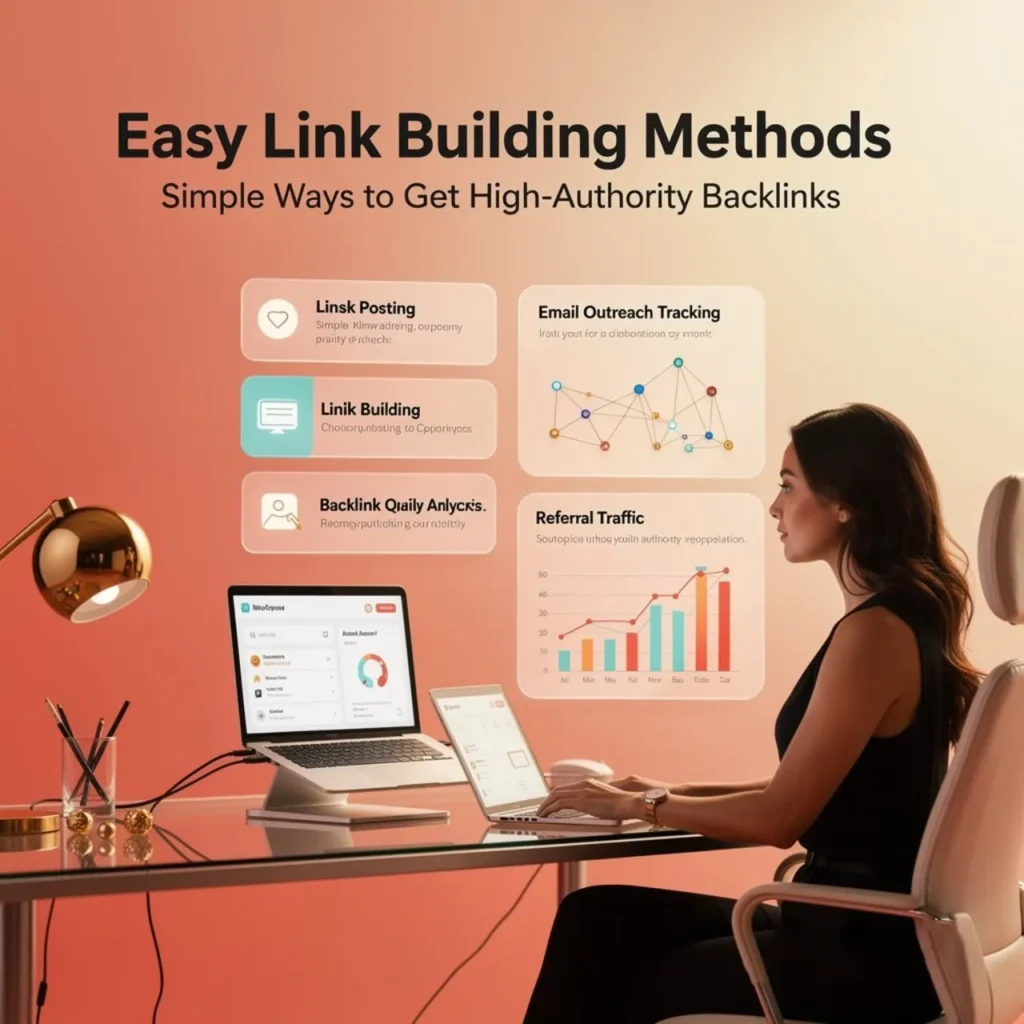
Easy Link Building Methods
Safe beginner-friendly methods include:
- Guest posting;
- Outreach emails;
- Resource pages;
- High-quality content creation.
The focus should always remain on quality over quantity.

Common SEO Mistakes Beginners Make
Most SEO failures come from misunderstanding the fundamentals.
Keyword Stuffing
Repeating keywords excessively makes content unnatural and damages readability.
Google now understands context and semantics; therefore, keyword stuffing is outdated.
Duplicate Content
Copying content from other websites harms credibility and rankings.
Originality matters more than publishing large amounts of low-quality content.

Ignoring User Experience
Poor user experience damages SEO.
Common issues include:
- Slow loading speed;
- Annoying popups;
- Confusing navigation;
- Broken mobile layouts.
Google prioritizes websites that users enjoy using.

Best SEO Tools for Beginners
Using the right tools simplifies learning SEO.
Google Search Console
Google Search Console helps monitor:
- Search performance;
- Indexing issues;
- Keyword rankings;
- Website errors.
It is essential for every website owner.
Google Analytics
Google Analytics tracks:
- Traffic sources;
- User behavior;
- Engagement;
- Conversions.
Good SEO decisions require accurate data.

Free SEO Extensions
Popular SEO browser extensions help beginners analyze:
- Meta tags;
- Heading structures;
- Technical issues;
- Keyword usage.
These tools save time and improve workflow efficiency.
Final SEO Checklist for Beginners
A practical checklist helps beginners stay organized.
Daily SEO Tasks
- Monitor rankings;
- Check website speed.
- Respond to audience questions;
- Review traffic performance.
Monthly SEO Improvements
- Update old content;
- Improve internal links;
- Fix technical problems;
- Analyze competitors.
Long-Term SEO Strategy
SEO success requires:
- Consistency;
- Patience;
- Authority building;
- Continuous learning.
There are no permanent shortcuts in SEO.
Conclusion
SEO is a long-term strategy focused on creating valuable content and improving user experience. Beginners who stay consistent and follow ethical SEO practices are more likely to achieve sustainable rankings and long-term organic traffic growth. SEO Basics for Beginners takes time, but consistency is the key
Most beginners fail because they expect instant rankings. SEO is a long-term process; however, websites that consistently publish valuable content and prioritize user experience often achieve sustainable growth.
The sooner beginners understand these fundamentals, the faster they stop wasting time on outdated tactics and start building real organic traffic that lasts for years.
Frequently Asked Questions
What is SEO in simple words?
SEO is the process of improving a website so it ranks higher on search engines like Google.
How long does SEO take?
SEO usually takes several months to show strong results, depending on competition and website quality.
Is SEO free?
Organic SEO traffic is free, but SEO often requires time, tools, and consistent effort.
Can beginners learn SEO?
Yes. Beginners can learn SEO by understanding keywords, content optimization, technical SEO, and user experience.























Pingback: Best Freelance Websites to Find Work in the US (2026)
Pingback: Affiliate Marketing Tools Strategy: $0 to $10k/Month