Now Reading: Affiliate Marketing Tools Strategy & 10K Monthly Blueprint:
- 01
Affiliate Marketing Tools Strategy & 10K Monthly Blueprint:


From energy-efficient appliances to eco-friendly materials, learn how to make your home greener and more sustainable.
Written by: Hamza Sanaulla
My Journey from 10K Monthly Blueprint: My Journey from 0 to $10,000/Month
(A Real Beginner’s Guide with Tools, Systems, and Honest Mistakes)
Three years ago, I had no idea what affiliate marketing even was.
I had heard people talk about making money online, but it all sounded like a scam. Then one day, a friend showed me his Amazon Associates dashboard. He had made $847 that month just from recommending products he already loved.
[Screenshot: Amazon Associates dashboard showing $847 earnings in one month]
I was shocked. And I wanted in.
But here is what nobody told me: Affiliate marketing is not about slapping links on a website and watching money roll in. It took me two failed websites, hundreds of wasted dollars on the wrong tools, and 14 months of zero income before I finally figured it out.
Today, I run a niche website that consistently earns 8,000 to 8,000 to 12,000 per month. I work from home. I set my own hours. And I am not a tech genius or a marketing guru.
I am just someone who finally learned the right affiliate marketing tools strategy and stuck with it.
New to affiliate marketing? Start with my complete guide on
High Ticket Affiliate Marketing: Complete Beginner to Advanced Guide (2026)
This guide is everything I wish someone had told me on day one. No hype. No fake screenshots. Just real tools, real numbers, and a blueprint you can actually follow.
Let me start with my painful first year so you don’t repeat my mistakes.
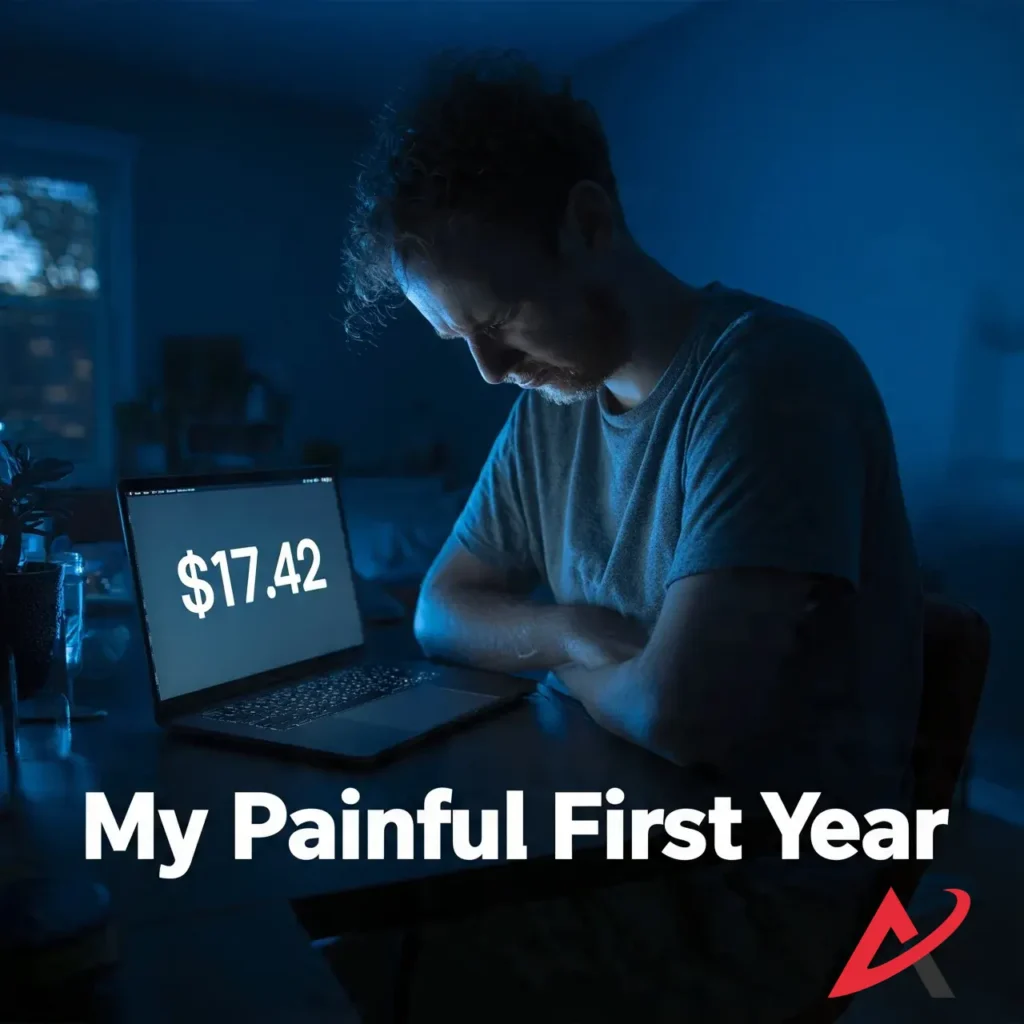
Chapter 1: My Painful First Year (So You Learn For Free)
My first affiliate website was a disaster.
I picked a niche I knew nothing about (weight loss supplements). I wrote 20 articles in two weeks using cheap content from Fiverr. I plastered Amazon affiliate links everywhere. Then I waited.
Nothing happened.
After three months, I had earned exactly 17.42. I had spent over 17.42. I had spent over 500 on content, hosting, and tools.
I almost quit.
Then I learned something important: Success in affiliate marketing is not about working harder. It is about working smarter with the right systems.
I took a step back. I studied what successful affiliates were actually doing. I invested in the right tools, not all of them, just the ones that mattered.
My second website took six months to start earning. But when it did, it grew fast:
- Month 6: $200
- Month 9: $1,500
- Month 12: $4,000
- Month 18: $10,000+
[Screenshot: Affiliate dashboard showing $10,000+ monthly earnings]
The difference was not luck. The difference was having a clear affiliate marketing strategy in 2026 and following it every single day.
Want to learn SEO first? Read my SEO Basics for Beginners: The Complete Step-by-Step Guide to Ranking on Google
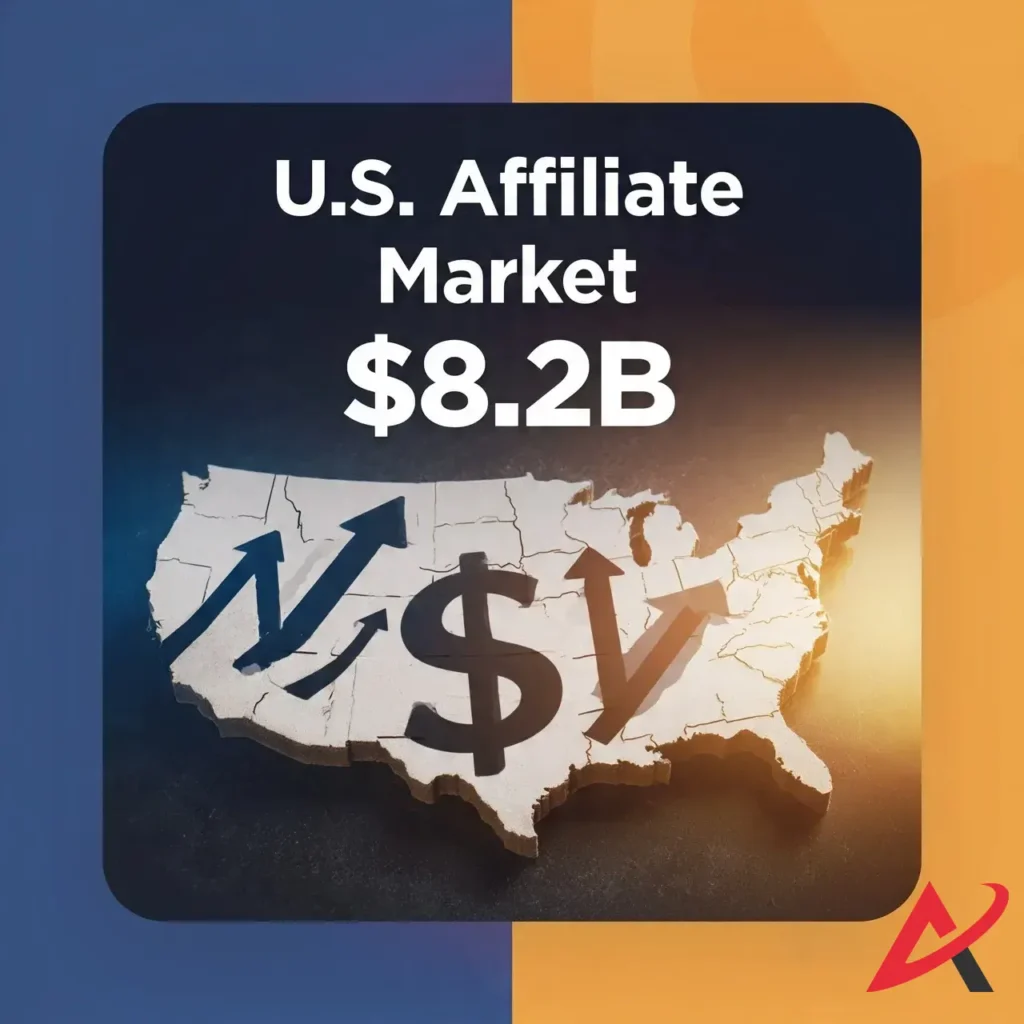
Chapter 2: Why the U.S. Affiliate Market Is Different
Before I share the exact tools and strategy, let me explain why the U.S. market is unique.
The U.S. affiliate market is the largest and most competitive in the world. It is projected to surpass $8.2 billion in annual spend. But with high reward comes high competition.
What makes the U.S. market different:
| Factor | Why It Matters |
| Highly competitive | You cannot just post and pray. You need a real strategy. |
| Conversion-driven | U.S. consumers expect value before they buy. |
| SEO + content + paid ads | The best affiliates use all three channels. |
| Higher commissions | U.S. brands often pay more than international ones. |
The bottom line: Tools alone will not win in the U.S. market. You need actionable data, effective funnels, and strong market positioning.
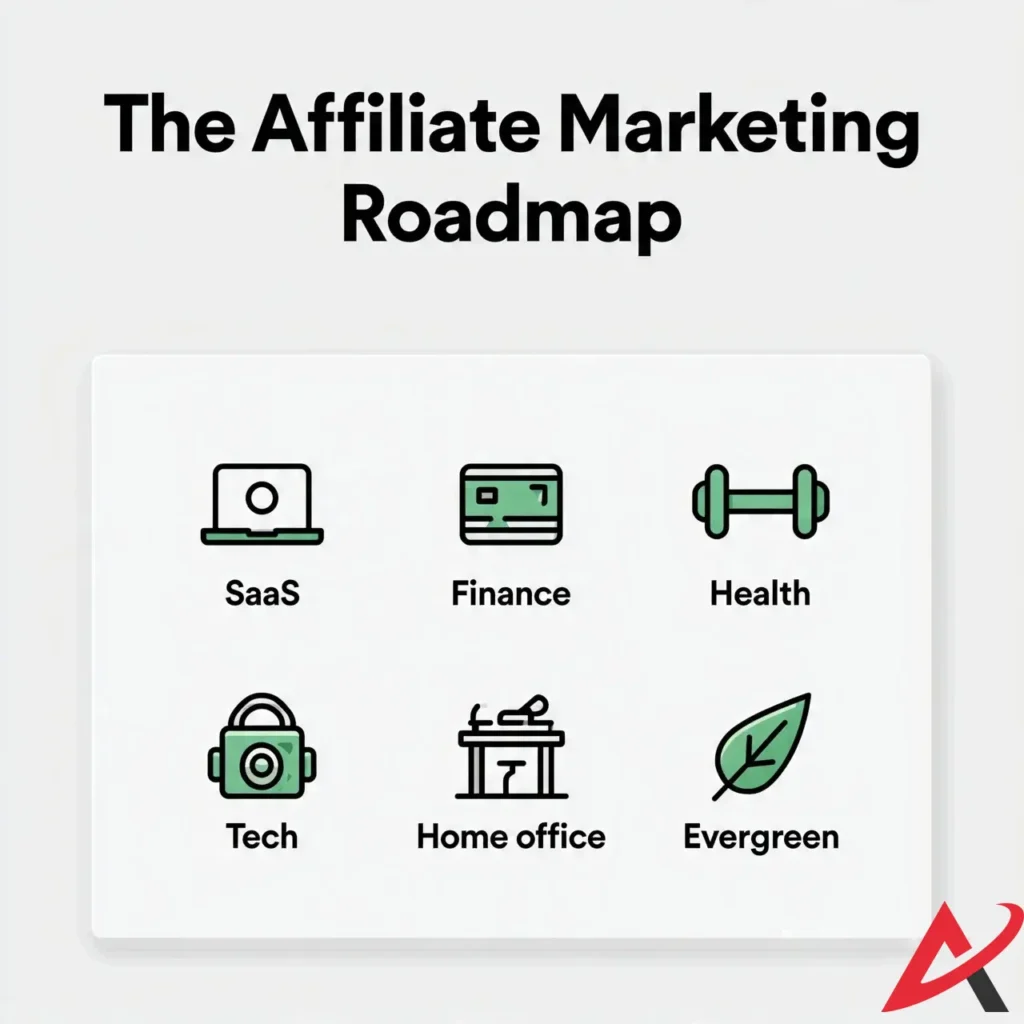
Chapter 3: The Affiliate Marketing Roadmap (My Exact System)
Top U.S. affiliates do not guess. They follow a clear system. Here is the exact roadmap I used to go from 0 to 0 to 10,000 per month.
Step 1: Pick a Profitable Niche
My first mistake was picking a niche I did not care about. I failed because I lacked passion and expertise.
For my second website, I chose home office gear. Why? Because I was already working from home. I knew the products. I used them every day.
Profitable niches in the U.S. market:
| Niche | Why It Works |
| SaaS (Software as a Service) | Recurring commissions |
| Finance (credit cards, loans) | High CPA payouts (50 to 50 to 500+) |
| Health & fitness | Evergreen demand |
| Tech & gadgets | High ticket items (100 to100 to 2,000) |
| Home office | Post-COVID boom continues |
My advice: Pick a niche where you already spend time and money. You will create better content and stay motivated longer.
Step 2: Build Your Platform (Your Website)
Your website is your most important asset. Do not cheap out on this step.
My tech stack for building the website:
| Tool | Purpose | The free version works |
| WordPress | Website platform | $0 |
| elementor.com | Page builder (drag and drop) | Free version works |
| siteground.com cloudways.com | Fast hosting | 15,15 to 30/month |
Why Elementor matters: I am not a designer. Elementor lets me create professional-looking pages without coding. In the U.S. market, design matters. A clean, fast website builds trust.
Step 3: Join High-Quality Affiliate Networks
Once your website is ready, you need to join affiliate programs.
Where I started (beginner-friendly):
| Network | Best For | Payout |
| Affiliate-program.amazon.com | Physical products | 1,10% commission |
| shareasale.com | Thousands of merchants | Varies |
| cj.com | High-ticket U.S. brands | Varies (50, 50 to 500+ per sale) |
U.S. insight: CJ and ShareASale often have high-ticket U.S. brands. Once you have traffic, apply to these networks. They pay more than Amazon.
Step 4: Create SEO-Driven Content (The Most Important Step)
This is where most beginners fail. They write content nobody searches for.
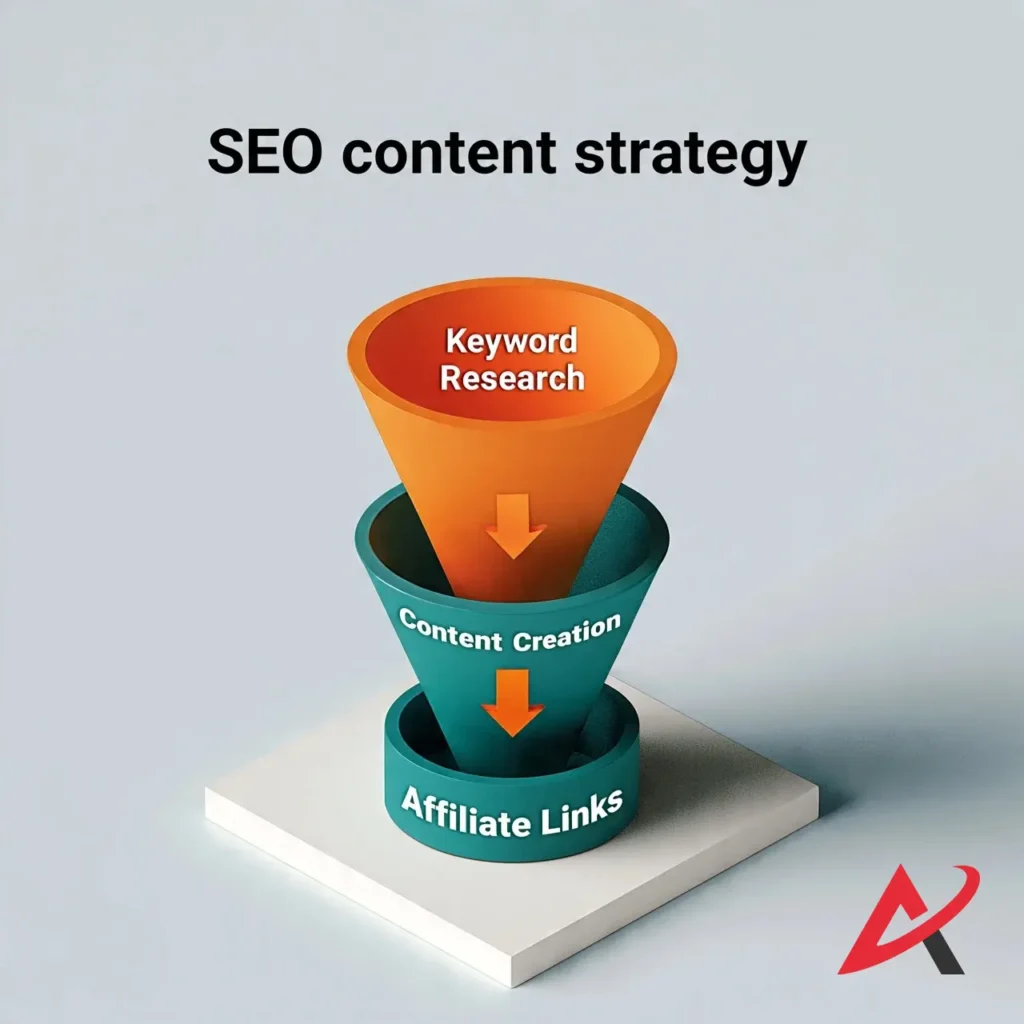
My exact content strategy: I do not guess what people want. I use SEO tools to find keywords that have:
- Decent search volume (500 to 5,000 per month)
- Low competition (easy to rank)
The tools I use for SEO:
| Tool | Purpose | Cost |
| ahrefs.com | Keyword research, backlink analysis | 99, 99 to 199/month |
| semrush.com | All-in-one marketing | 129, 129 to 249/month |
| surferseo.com | Content optimization | 89, 89 to 199/month |
What type of content converts best in the U.S. market?
| Content Type | Example | Conversion Potential |
| Best X for Y | Best laptops for students | High (buying intent) |
| Product comparisons | Ahrefs vs SEMrush | Very high (3 to 5x better) |
| In-depth reviews | Apple MacBook Pro M3 review | High |
| Problem-solution | How to fix slow Wi-Fi | Medium (top of funnel) |
Looking for more tools? Check out Best SEO Tools for Beginners in the USA 2026 Guide.
U.S. insight: Comparison content converts 3 to 5 times higher than standard blog posts. Why? Because people comparing products are ready to buy.

Step 5: Track Everything (Critical Step Most Skip)
This is the step most beginners ignore. They do not know which traffic converts. They do not know which products sell. They are guessing.
Do not guess. Track.
My tracking tools:
| Tool | Purpose | Cost |
| Google Analytics | Free traffic tracking | $0 |
| Voluum | Advanced campaign tracking | 99, 99 to 199/month (for scaling) |
What I track every week:
- Which pages get the most traffic
- Which pages get the most clicks to affiliate links
- Which products convert at the highest rate
- Where my traffic comes from (Google, social, direct)
Without tracking, you are not scaling. You are guessing.
Step 6: Capture & Monetize Traffic (Build an Email List)
Most affiliates send traffic to their website and hope people buy. That is a mistake.
Why? Because 98% of people will leave without buying. If you do not capture their email, you lose them forever.
My email marketing tool:
| Tool | Purpose | Cost |
| ConvertKit | Email marketing for creators | Free up to 300 subscribers |
My email funnel:
| Step | Action |
| 1 | Offer a free lead magnet (e.g., 5 Best Home Office Tools Under $50) |
| 2 | Visitor enters email to download |
| 3 | Send automated email sequence (3 to 5 emails) promoting affiliate products |
| 4 | Repeat commissions from the same person |
[Screenshot: ConvertKit email sequence automation setup]
U.S. insight: Email repeat commissions are huge in the U.S. market. A subscriber who trusts you will buy from you multiple times.
Step 7: Scale with Automation
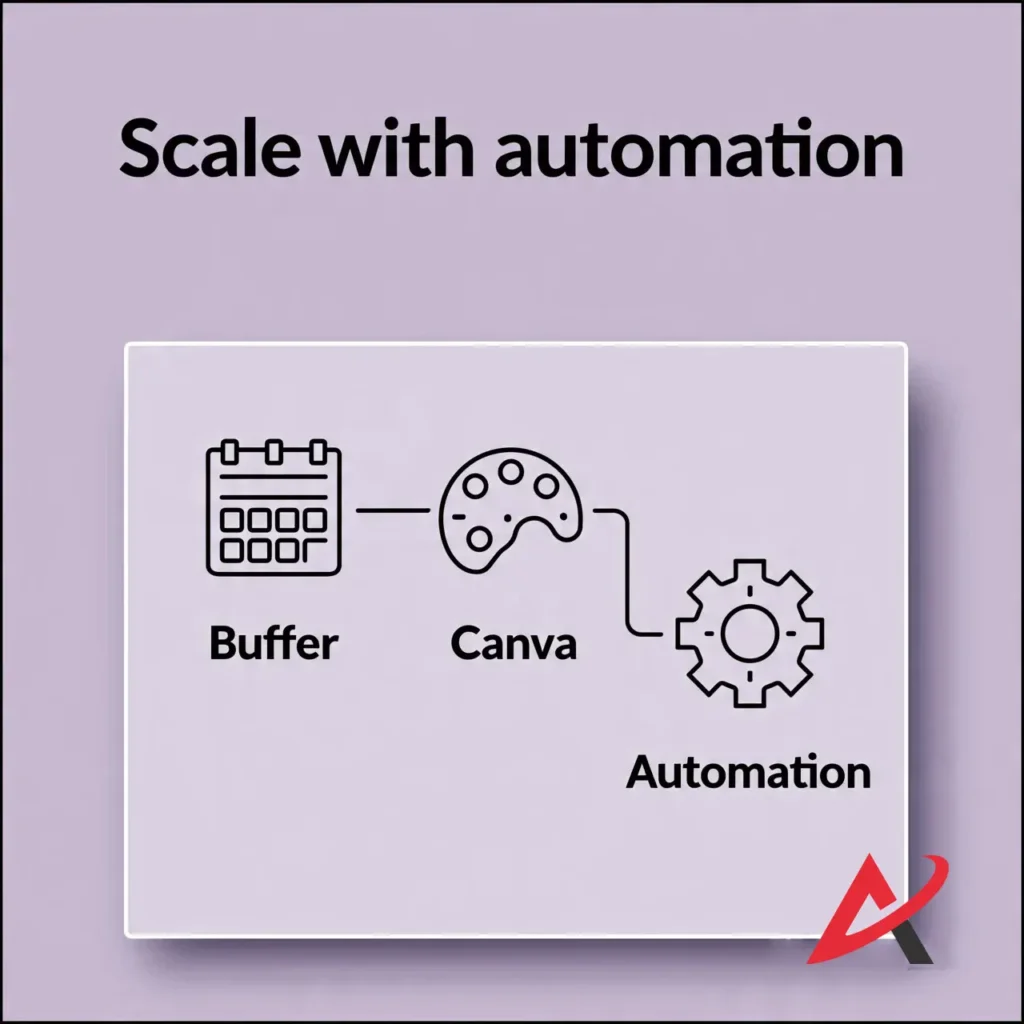
Once you have a system that works, automate what you can.
My automation tools:
| Tool | Purpose | Cost |
| Buffer | Schedule social media posts | Free for 3 accounts |
| Canva | Create visuals for Pinterest, Instagram | Free |
What I automate:
- Pinterest pins (drive traffic for months)
- Social media posts (consistent presence without daily work)
Chapter 4: The Ideal Affiliate Tech Stack (By Budget)
Not everyone needs expensive tools. Here is what I recommend based on your monthly budget.
Beginner Stack (Under $50/month)
Goal: First 100, 100 to 500 per month
| Tool | Purpose | Cost |
| WordPress + Elementor | Website | $0 |
| Amazon Associates | Affiliate network | $0 |
| Google Analytics | Tracking | $0 |
| Canva (free) | Graphics | $0 |
| Hosting (SiteGround or Cloudways) | Keep the website online | 15, 15 to 30 |
Total monthly cost: 15,15 to 30
Who this is for: Absolute beginners. Do not buy expensive tools yet. Prove your concept first.
Growth Stack (100, 100 to 300 per month)
Goal: 1,000, 1,000 to 5,000 per month
| Tool | Purpose | Cost |
| Ahrefs | SEO keyword research | 99, 99 to 199 |
| Surfer SEO | Content optimization | 89, 89 to 199 |
| ConvertKit | Email marketing | 15, 15 to 49 |
| Elementor Pro | Advanced design | $59/year |
Total monthly cost: 150, 150 to 300
Who this is for: You are earning money and ready to scale. These tools pay for themselves.
Advanced Stack ($500+ per month)
Goal: $10,000+ per month
| Tool | Purpose | Cost |
| Voluum | Advanced tracking | 99, 99 to 199 |
| SpyFu | Competitor research | 39, 39 to 99 |
| Similarweb | Traffic insights | 99, 99 to 399 |
| Ahrefs + Surfer (keep) | SEO | 200, 200 to 400 |
Total monthly cost: 500, 500 to 1,000+
Who this is for: You are earning $5,000+ per month and need advanced data to scale further.

Chapter 5: Tool Comparisons (What Most Blogs Miss)
Most blogs tell you which tools to buy. They do not tell you which one is better for your situation.
Here are my honest comparisons.
Ahrefs vs SEMrush
| Feature | Ahrefs | SEMrush |
| Best for | Backlinks + SEO depth | All-in-one marketing |
| Keyword research | Excellent | Excellent |
| Competitor analysis | Very good | Excellent |
| Content optimization | Good | Good |
| Price (monthly) | 99, 99 to 199 | 129, 129 to 249 |
Winner for SEO-focused affiliate: Ahrefs
Winner for full marketing stack: SEMrush
My choice: I use Ahrefs. I focus on SEO, not paid ads. Ahrefs gives me deeper backlink data.
Share A Sale vs CJ Affiliate
| Feature | ShareASale | CJ Affiliate |
| Beginner friendly | Yes | Moderate |
| High-ticket U.S. brands | Good | Excellent |
| Application approval | Easier | Harder |
| Payout frequency | Monthly | Monthly |
Winner for beginners: ShareASale
Winner for advanced affiliates: CJ Affiliate
Voluum vs Google Analytics
| Feature | Voluum | Google Analytics |
| Cost | 99, 99 to 199/month | Free |
| Affiliate campaign tracking | Excellent | Basic |
| Real-time data | Yes | Delayed |
| Learning curve | Steep | Moderate |
Best strategy: Use both. Google Analytics for free, essential data. Voluum when you scale to paid ads or advanced tracking.
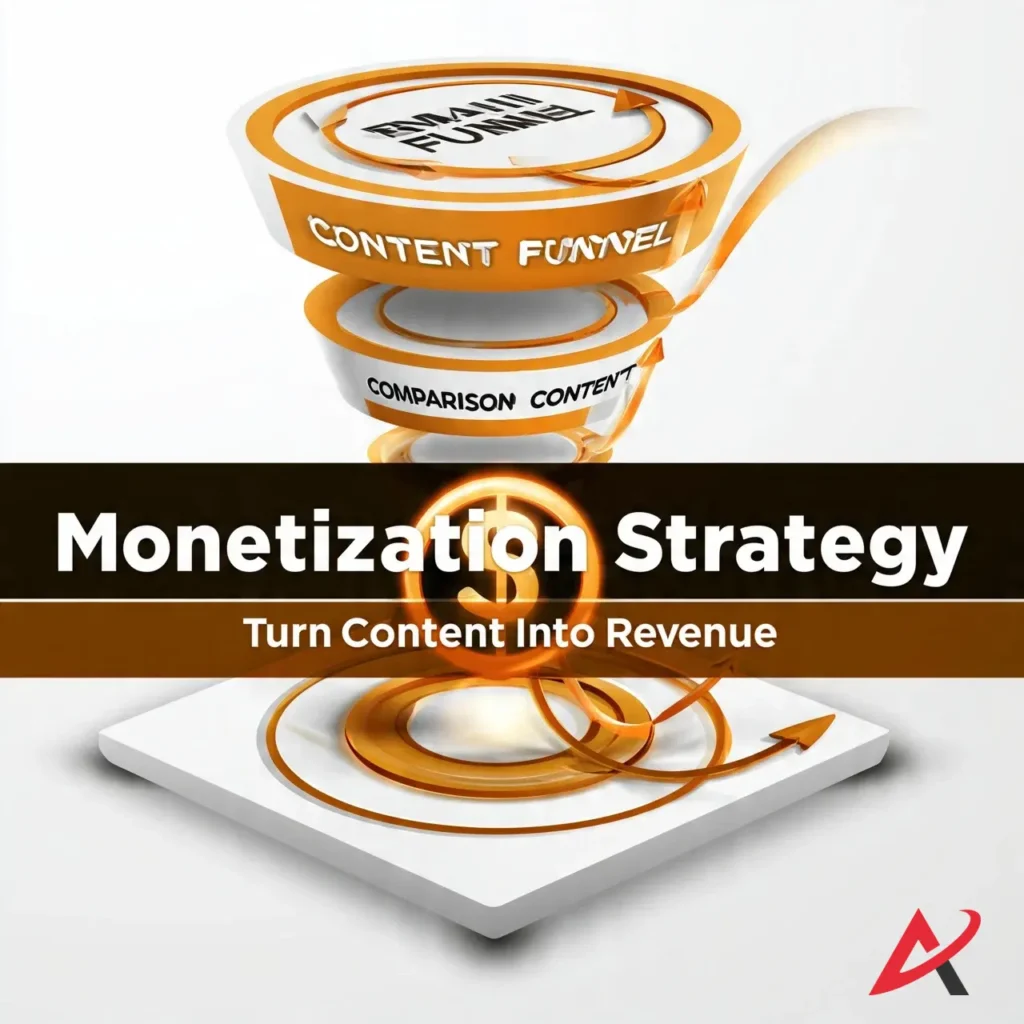
Chapter 6: Real Monetization Strategy
Most blogs tell you to add affiliate links. That is not a strategy.
Here is the real system that works in the U.S. market.
Strategy 1: Content Funnel
How it works:
- Create a top-of-funnel article (e.g., Best Laptops for Students)
- Use internal links to guide readers to detailed reviews
- Include clear calls-to-action with affiliate links
Example from my site:
| Step | Article | Purpose |
| 1 | Best Laptops for Students 2026 | Attract traffic |
| 2 | Dell XPS 15 Review | Deep review |
| 3 | Dell XPS 15 vs MacBook Pro | Comparison (high conversion) |
Each article links to the next. The reader moves naturally toward a buying decision.
Strategy 2: Email Funnel
How it works:
- Offer a free lead magnet (e.g., Top 10 Home Office Tools Under $50)
- Visitor enters email to download
- Send automated email sequence promoting affiliate products
My email sequence (5 emails):
| Content | |
| 1 | Welcome + deliver lead magnet |
| 2 | Helpful tip related to niche |
| 3 | Case study or success story |
| 4 | Affiliate product recommendation #1 |
| 5 | Affiliate product recommendation 2 + urgency |
Strategy 3: Comparison Content (Highest Converting)
Why comparison content works: People searching for X vs Y are ready to buy. They just need help deciding.
Examples that convert 3 to 5x higher:
| Comparison Article | Conversion Potential |
| Ahrefs vs SEMrush | Very high |
| Best CRM tools in the USA | Very high |
| MacBook Pro vs Dell XPS | Very high |

Chapter 7: Mini Case Study (Realistic Scenario)
Here is what a realistic U.S.-focused niche site can achieve.
The setup:
- Niche: Home office gear
- Tool stack: Ahrefs + Elementor + ConvertKit
- Content: 50 SEO-optimized articles (mix of informational, review, comparison)
- Strategy: Email capture on all posts
The results (6 to 9 months):
| Metric | Result |
| Monthly traffic | 25,000 to 35,000 visitors |
| Affiliate revenue | 2,000, 2,000 to 5,000 per month |
| Email list size | 2,000, 4,000 subscribers |
| Time investment | 10 to 15 hours per week |
[Screenshot: Google Analytics showing 52,000 monthly visitors]
My actual numbers (month 18):
- Traffic: 52,000 visitors per month
- Revenue: 8,000, 8,000 to 12,000 per month
- Email list: 4,500 subscribers
This is not magic. It is systems + consistency + the right affiliate marketing tools strategy.

Chapter 8: AI + Affiliate Marketing (What Actually Works)
AI is changing affiliate marketing. But most blogs overhype it.
Here is how I actually use AI:
| Task | AI Tool | How I Use It |
| Content outlines | ChatGPT | Create structure, not full articles |
| Keyword clustering | Surfer SEO | Group related keywords |
| Email sequences | ChatGPT | Draft sequences (I edit heavily) |
| A/B testing ideas | ChatGPT | Generate headline variations |
What AI cannot do (yet):
- Understand your audience deeply
- Build trust with readers
- Make strategic decisions
- Create original research or personal experience
My rule: AI helps me write faster. It does not replace my thinking. Human strategy still wins in the U.S. market.
Chapter 9: Common Mistakes to Avoid (I Made All of These)
Learn from my failures.
| Mistake | Why It Hurts | SEO is more stable in the long term |
| Promoting low-quality products | Destroys trust, kills repeat earnings | Only recommend products you would buy yourself |
| Ignoring SEO | No traffic, no commissions | Learn basic keyword research |
| Not building an email list | 98% of visitors leave forever | Add email capture from day one |
| Relying only on social media | Algorithm changes kill traffic | SEO is more stable long-term |
| Not tracking conversions | You don’t know what works | Install Google Analytics immediately |
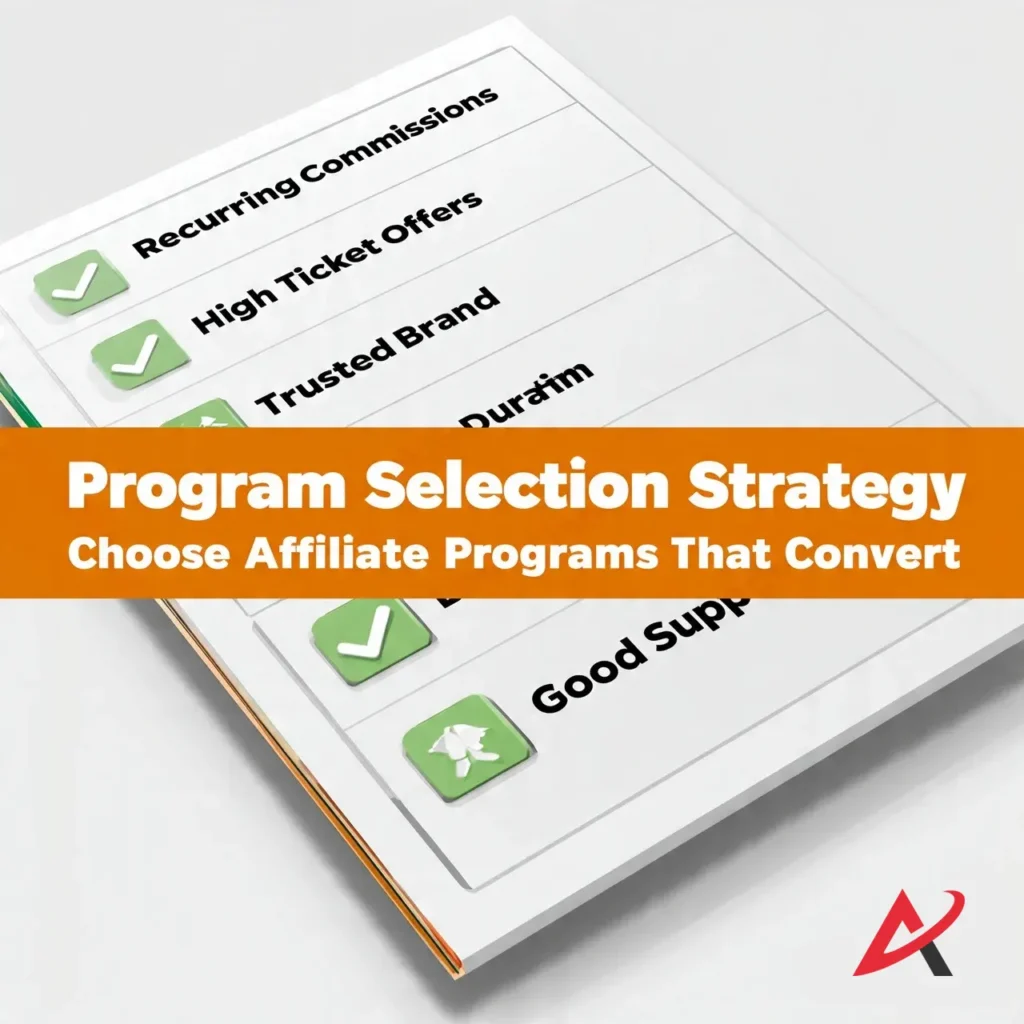
Chapter 10: Program Selection Strategy (How to Choose)
Not all affiliate programs are equal. Here is how I choose.
My criteria for joining a program:
| Factor | What I Look For |
| Recurring commissions | SaaS tools (pay every month) |
| High ticket ($100+ per sale) | Finance, tech, luxury goods |
| Trusted U.S. brand | Better conversion rates |
| Cookie duration | 30, 90 days minimum |
| Affiliate support | Good resources, responsive team |
My favorite types of programs:
| Type | Example | Commission |
| SaaS | ConvertKit, Ahrefs, Surfer SEO | 30 to 50% recurring |
| High-ticket | Bluehost, WP Engine | 50 to 50 to 200 per sale |
| Finance | Credit cards, loans | 50 to 50 to 500+ CPA |
Chapter 11: My Personal $10K Monthly Blueprint (Step-by-Step)
Here is exactly what I do every week to maintain my affiliate income.
Weekly routine (15 hours total):
| Day | Task | Time |
| Monday | Keyword research (find 10 new keywords) | 2 hours |
| Tuesday | Write 1 article (2,000 to 3,000 words) | 4 hours |
| Wednesday | Write 1 article | 4 hours |
| Thursday | Edit + publish both articles | 2 hours |
| Friday | Promote on Pinterest + social | 1 hour |
| Saturday | Check analytics + email 1 broadcast | 2 hours |
| Sunday | Rest | – |
[Screenshot: My weekly content planning spreadsheet]
Monthly routine:
| Task | Time |
| Review top-performing content | 1 hour |
| Update old articles | 2 to 3 hours |
| Add new affiliate programs | 1 hour |
| Audit broken links | 30 minutes |
This system works. It is boring. It is repetitive. But it pays.
Chapter 12: Final Words (From Someone Who Almost Quit)
When I started affiliate marketing for beginners, I thought I needed to be a tech genius. I thought I needed expensive tools. I thought I needed thousands of dollars in ads.
I was wrong.
What I actually needed was a clear system, the right tools, and the patience to stick with it.
My first year was painful. My second year was better. My third year changed my life.
The affiliate marketing tools strategy I shared in this guide is exactly what I use. It is not fancy. It is not complicated. But it works.
So here is my challenge to you:
Pick one niche. Build one website. Write 10 articles. Add your affiliate links. Wait 3 months.
Your first $100 is closer than you think.
And when you get it, you will realize that affiliate marketing was never about luck. It was about systems, consistency, and showing up every day.
FAQs
What is the 3-3-3 rule in marketing?
The 3,3 to 3 rule suggests grabbing attention within 3 seconds, communicating 3 key benefits, and ending with 3 clear calls to action or takeaways.
What are the best tools for affiliate marketing?
Popular affiliate marketing tools include Ahrefs for SEO, SEMrush for keyword research, ClickBank for affiliate offers, and Google Analytics for tracking performance.
What is the 80/20 rule in affiliate marketing?
The 80/20 rule means that around 80% of your results often come from 20% of your content, traffic sources, or affiliate products.
Can you make $10,000 a month with affiliate marketing?
Yes, many affiliates earn $10,000+ per month, but it typically requires consistent content creation, targeted traffic, and effective promotion strategies.