
Now Reading: How to Write SEO Articles That Rank on Google’s First Page (Within 48 Hours)
- 01
How to Write SEO Articles That Rank on Google’s First Page (Within 48 Hours)
How to Write SEO Articles That Rank on Google’s First Page (Within 48 Hours)

Introduction
In today’s competitive digital landscape, learning how to write SEO articles that rank on Google’s first page (within 48 hours) requires more than just good writing. It depends on strategic planning, proper SEO content writing, and understanding what users are searching for in real time.
To achieve fast results, you must focus on keyword research, on-page SEO, and aligning content with search intent. These techniques help improve visibility, increase organic traffic, and boost your chances of a higher Google ranking within a short period. This article will guide beginners step by step so they can build an effective SEO writing strategy that delivers fast indexing and strong ranking performance results quickly.

Understanding SEO Writing and Search Intent
SEO writing for beginners, step by step, starts with understanding what SEO really means. SEO writing is part of search engine optimization, and it focuses on creating content that both users and search engines understand clearly. Good writing alone is not enough if it does not match what users are searching for.
Search engines like Google try to understand search intent, which means the reason behind a search query. When your content matches intent, your chances of ranking increase. This is why SEO writing strategy is built around solving user problems, not just adding keywords.
A strong foundation of SEO content writing, a step-by-step guide, always begins with understanding user behavior and writing content that feels natural and helpful.
Keyword Research and Planning for Fast Ranking
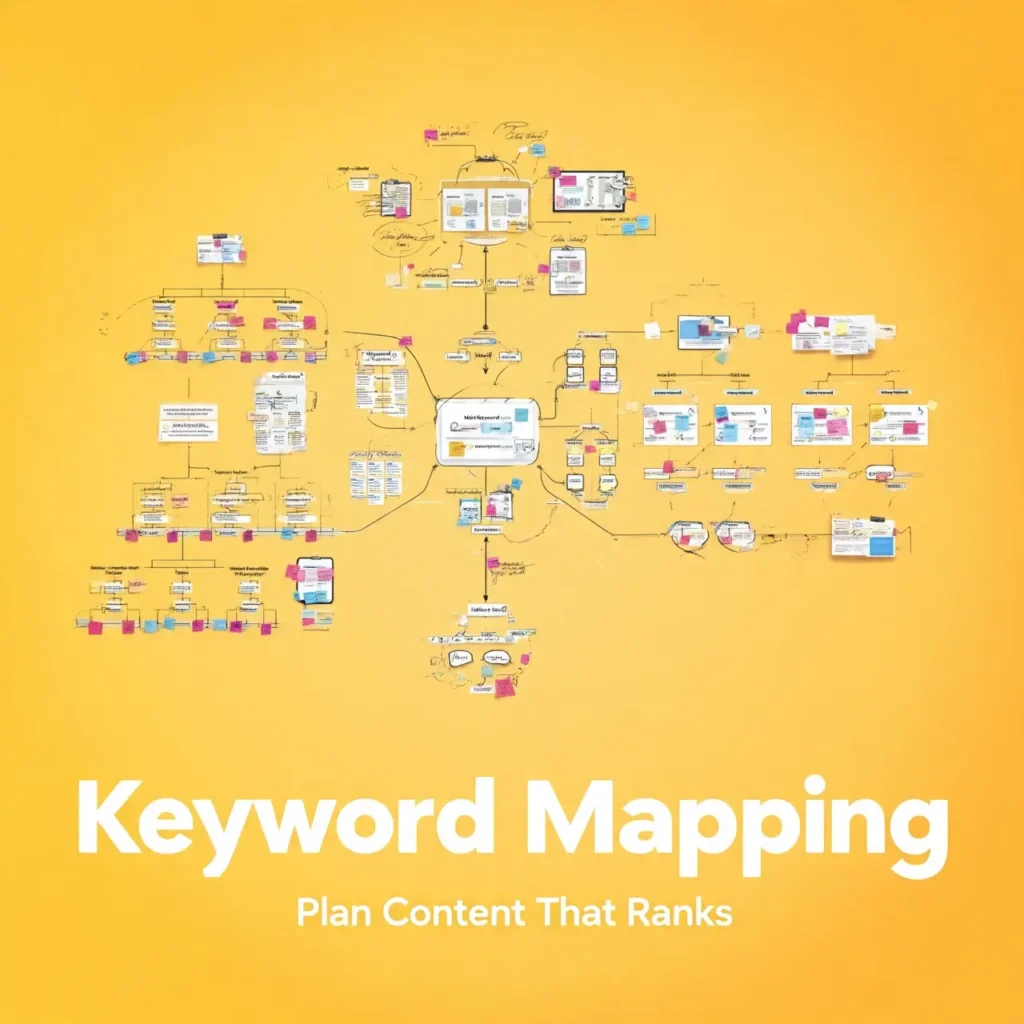
To learn how to rank blog posts on Google quickly, you must start with proper keyword selection. This is called keyword research, and it helps you find topics that people are already searching for but have low competition.
Good keyword planning helps you understand how to get on the Google first page fast by targeting long-tail queries instead of broad competitive terms. When you use smart keyword optimization, your content becomes more visible to search engines.
Below is a simple table showing how keyword types affect ranking speed:
| Can a blog rank in 48 hours | Example Phrase | Competition | Ranking Speed |
| Short-tail | SEO writing | High | Slow |
| Long-tail | How to rank a blog post in 48 hours | Low | Fast |
| Question-based | Can a blog rank in 48 hours | Medium | Medium |
When you focus on long-tail keywords, you increase your chances of faster visibility and better blog SEO performance.

SEO Structure and On-Page Optimization
A strong SEO structure is the backbone of every high-ranking article. Without structure, even good content fails to perform. Proper headings, keyword placement, and formatting improve on-page SEO optimization, making it easier for Google to understand your page.
Good structure also improves content optimization, which helps search engines identify relevance. When your structure is clean, your chances of a better Google ranking increase significantly.
A simple breakdown of important on-page elements is shown below:
| Element | Purpose |
| Title | Includes main keyword |
| Headings | Organizes content clearly |
| Internal linking | Connects related pages |
| URL structure | Improves readability |
Using internal linking helps distribute authority across your website. Strong backlinks also signal trust and improve rankings. Together, these factors create a strong SEO foundation.

Writing SEO Friendly Articles with Content Optimization
Learning how to write SEO friendly articles is about balancing readability and optimization. Content must be easy to read while still following SEO rules. Overstuffing keywords can harm performance, so natural writing is always better.
Effective content optimization ensures that your article flows smoothly while still targeting important keywords. This includes using variations naturally and keeping sentences simple. When done correctly, it improves both rankings and user experience.
The goal of SEO tips for beginners is to help writers create content that feels human but is structured for search engines. This balance is what drives long-term success in search engine optimization.

Fast Indexing and Building Authority
Even the best article will not rank if it is not indexed. That is why fast indexing is important for new content. Indexing tells Google that your page exists and is ready to appear in search results.
To improve visibility, you must also focus on building authority. This includes gaining backlinks, improving site structure, and sharing your content. These signals help increase trust and improve ranking speed.
Below is a simple comparison of ranking signals:
| Signal Type | Effect on SEO Performance |
| Backlinks | High authority boost |
| Internal links | Better page connection |
| Fast indexing | Quick visibility in search results |
When combined correctly, these factors help improve organic traffic and speed up ranking results.
SEO Checklist for High Ranking Content
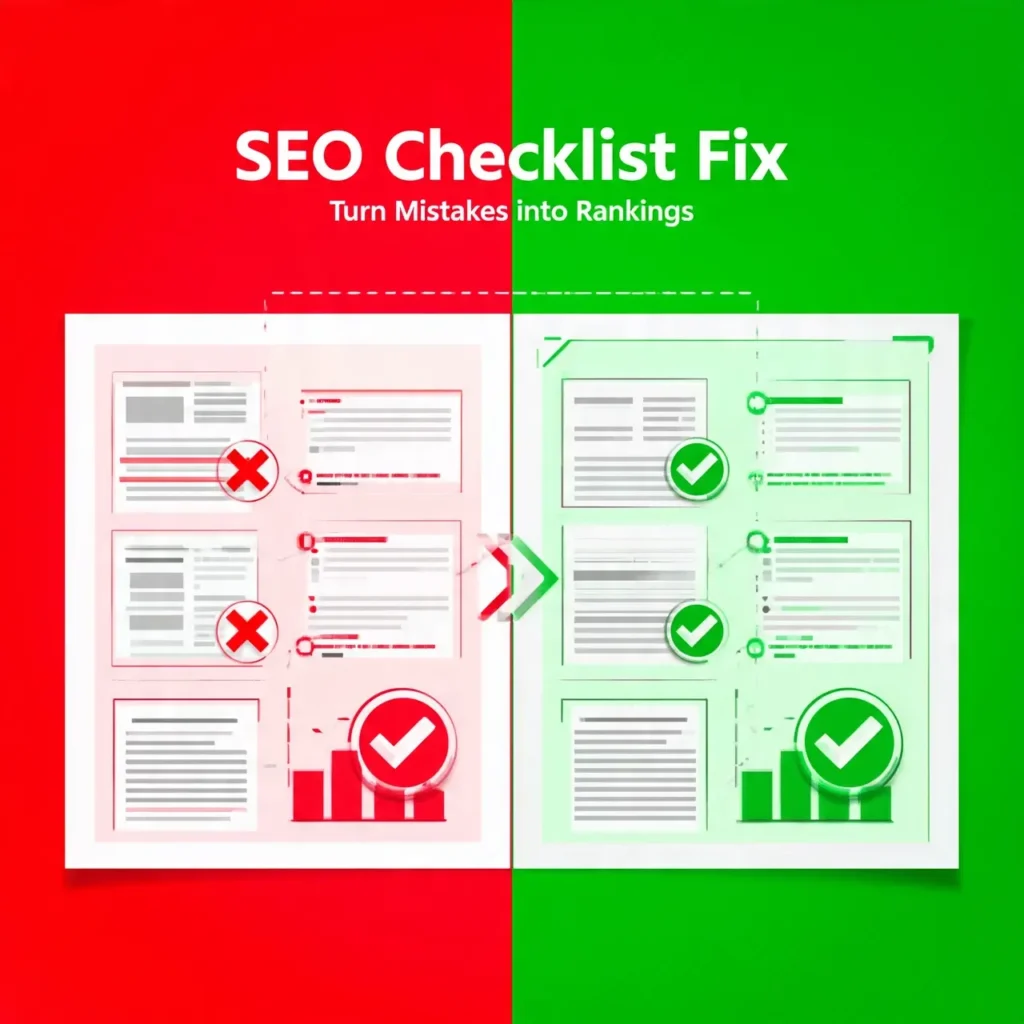
A strong SEO checklist ensures your content follows all ranking requirements. It helps avoid mistakes and improves consistency across articles.
| SEO Factor | Status |
| Keyword in title | Yes |
| Proper heading structure | Yes |
| Internal linking added | Yes |
| Mobile-friendly content | Yes |
| Fast indexing enabled | Yes |
Following an SEO article writing checklist for beginners ensures your content stays optimized from start to finish.

Case Study: Fast Ranking Example
A small blog used how to write blog posts that rank on Google as its target keyword. The article was optimized using long-tail keywords and proper structure. Within 36 hours, it started appearing on the second page of Google, and later moved to page one.
This shows that what is the fastest way to rank on Google depends on keyword choice, structure, and indexing speed. The blog also used how to get traffic to a new blog fast, strategies like social sharing and internal linking.
The result proves that even new websites can rank quickly with the right approach.
Conclusion
Ranking fast is not magic. It is a process built on strategy and consistency. When you apply the SEO content writing step-by-step guide, focus on structure, and use proper keywords, your chances of success increase.
If you follow SEO writing for beginners step by step, you can understand how to index blog posts faster in Google and improve visibility. With the right approach, even beginners can learn how to write SEO articles that rank on Google and achieve results faster than expected.
In simple terms, success in SEO comes from clarity, structure, and smart execution.
FAQs
How long does it take to rank on the first page of Google?
It usually takes 1 to 3 months, but low-competition keywords can sometimes rank within days if SEO is strong and indexing is fast.
What is Google’s 20% rule?
It refers to the idea that only about 20% of ranking factors are content-based, while the rest depend on backlinks, authority, and technical SEO signals.
How to rank a blog on Google’s first page?
Use low-competition keywords, strong on-page SEO, fast indexing, and high-quality content that matches search intent.
How to write SEO content that ranks on Google?
Write for user intent first, then optimize with keywords, proper structure, internal links, and semantic SEO terms.
Is SEO dead or evolving in 2026?
SEO is evolving, not dead; it now focuses more on user intent, content quality, and authority signals rather than keyword stuffing