Now Reading: How to Start a Dropshipping Business for Beginners in 2026
- 01
How to Start a Dropshipping Business for Beginners in 2026

Written by: Hamza Sanaulla
If you want to learn how to start a dropshipping business for beginners in 2026, this guide is for you.
Three years ago, I lost $1,200 on my first dropshipping store. I had watched all the YouTube gurus. I had bought a $497 course. I had convinced myself that I would be rich within 90 days.
Instead, I got zero sales for two months. Then I spent $800 on Facebook ads that generated exactly 4 orders, 3 of which were refunded because the products arrived damaged. I was embarrassed. I was broke. And I almost quit.
But here is what those gurus never told me: Dropshipping in 2026 is not dead. It has just matured.
The days of throwing up a random AliExpress product and running unpolished ads are over. But if you learn how to start a dropshipping business for beginners the right way, with systems, trust, and real customer value, you can still build a profitable online store.
Today, my second dropshipping store does $8,000 to $12,000 in monthly revenue with healthy 25 to 30% profit margins. I work from home. I have no inventory. And I am an ordinary person who learned step by step.
This guide is everything I wish someone had told me before I wasted my first $1,200.
Chapter 1: Exactly How to Start a Dropshipping Business for Beginners in 2026
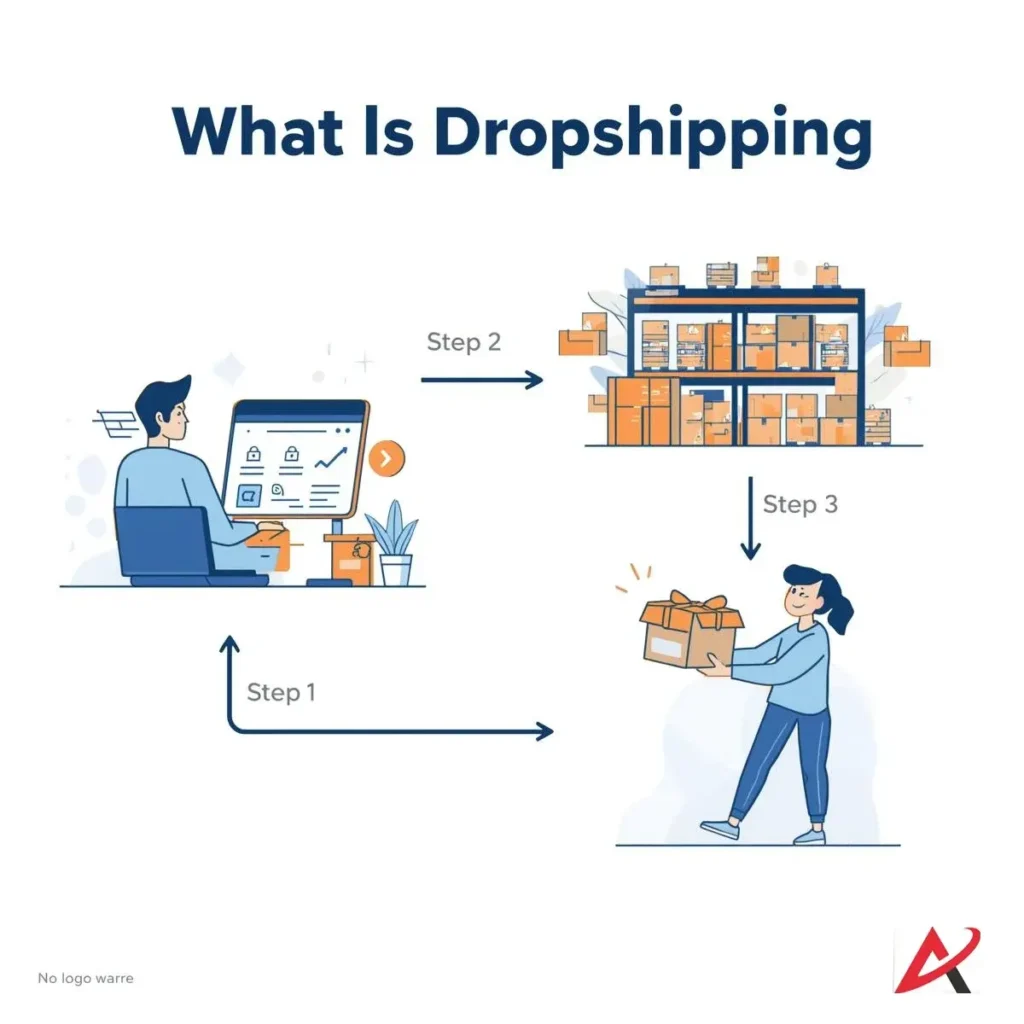
Let me explain dropshipping in the simplest way possible.
Imagine you open an online store that sells coffee mugs. A customer buys a mug from your website for $25. Instead of packing and shipping the mug yourself, you send that order to a supplier (usually in China or the USA). That supplier packs the mug and ships it directly to your customer.
You never touch the product. You never buy inventory up front. You only pay the supplier after the customer pays you.
Your profit = 25 (customer payment), 25 (customer payment), 10 (supplier cost), 3 (shipping), 3 (shipping), 2 (ads) = $10 profit per mug.
That is dropshipping.
The beautiful part: You can start with 200 to 200 to 500. You do not need a warehouse. You do not need to buy 1,000 units of anything. You can test products for as little as $50.
The hard part: So can everyone else. In 2026, the competition is real. But the winners are not the ones with the most money. They are the ones who understand customers, trust, and simple systems.
Chapter 2: My Painful First Failure
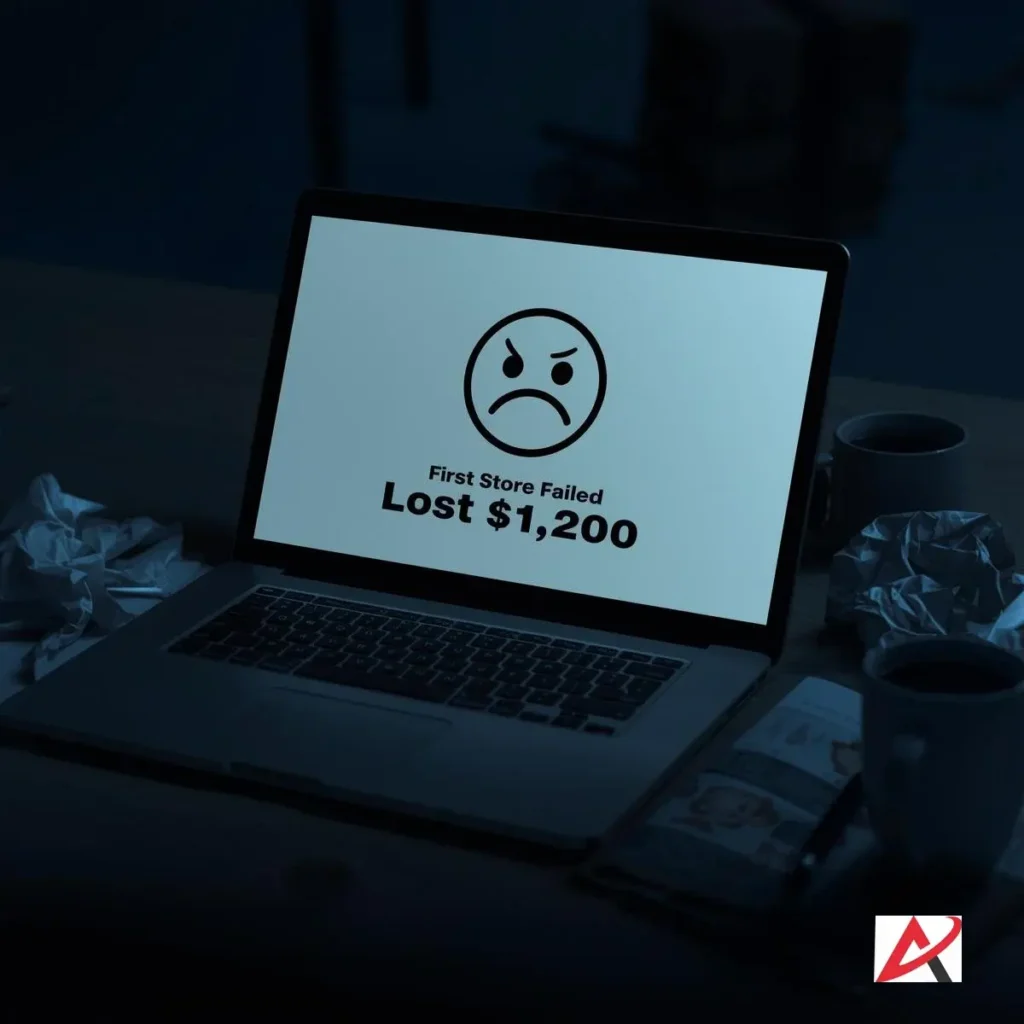
I want to tell you exactly what went wrong with my first store. Read this carefully; it will save you thousands of dollars.
Store 1: The Trending Product Disaster (Lost $1,200)
I found a winning product on a YouTube video, a magnetic phone ring holder that was supposedly selling like crazy. I imported it to my Shopify store in 20 minutes. I copied a generic product description from AliExpress. I ran Facebook ads to everyone interested in phones.
Here is what happened:
- Week 1: Spent $300 on ads. Got 2sales ($300 on ads Got 2 sales (50 revenue). Profit? Negative $250.
- Week 2: Spent $400 on ads. Got 5 sales. Three customers complained about slow shipping (30+ days). One product arrived broken.
- Week 3: Two refund requests, one chargeback. Facebook ad account flagged for poor customer experience.
- Week 4: I closed the store. Total loss: $1,200.
Why did I fail?
- No product research, so I copied a saturated product
- No brand to my store looked like every other generic store
- No trust to no reviews, no social proof, no about page
- No email marketing, so I never followed up with customers
- Bad supplier, long shipping times, poor quality
I sat on my couch for two weeks, feeling like a failure. Then I decided to learn properly.
Chapter 3: How I Built a Profitable Store the Second Time

After my failure, I spent 60 days learning, not buying courses, but studying real stores, reading supplier reviews, and talking to successful dropshippers.
Here is exactly what I did differently.
Step 1: I Stopped Chasing Trending Products
The biggest myth in dropshipping is that you need a winning product that goes viral.
In 2026, viral products die in 2 to 3 weeks. By the time you see them on YouTube, thousands of other beginners are already selling them.
Instead, I started looking for problem-solving products in niche markets.
Examples of what worked for me:
- A portable UV light sanitizer for baby bottles (sold to new parents)
- A car seat gap filler that stops phones from falling (sold to commuters)
- An under-desk foot rest for home office workers (sold during the remote work boom)
Notice a pattern? These are not sexy products. They solve a real, boring problem. And they sell consistently for months, not weeks.
Step 2: I Found a Reliable US Supplier
For my first store, I used AliExpress standard shipping. Products took 20 to 40 days to arrive. Customers were furious.
For my second store, I found a US-based supplier using Spocket and Zendrop (both have free trials). Products arrived in 3 to 7 days. Refund rates dropped from 15% to 3%.
Your supplier options in 2026:
| Supplier Type | Shipping Time | Pros | Cons |
| AliExpress standard | 20 to 40 days | Very cheap | Slow, poor customer service |
| AliExpress AliExpress Standard Shipping | 10 to18 days | Affordable | Still slow for US customers |
| US/UK/EU suppliers Spocket, Zendrop, CJ Dropshipping | 3 to 10 days | Fast, reliable | More expensive per product |
| Private agent for scaling | 5 to12 days | Custom packaging, best prices | Hard to find, requires volume |
My recommendation for beginners:
Start with Spocket or Zendrop and filter for US warehouse products. Yes, your product cost will be 20 to 30% higher. But your customers will be happy, and happy customers mean fewer refunds and more repeat orders.
Step 3: I Built a Store That Looked Like a Real Brand
My first store looked fake. I used a free Shopify theme, no logo, no about page, and stock photos that looked stolen.
My second store took 3 weeks to build, not because it was complicated, but because I focused on trust signals.
Here is exactly what I added:
- A real logo (designed on Canva for free)
- An about page with my photo and story (no more we are a team of passionate drop shippers fake nonsense)
- Customer reviews (I added 20 customer reviews using Loox by asking friends and family to test the product and leave honest feedback. Always use real reviews to it builds trust with your customers and follow platform policies)
- A contact page with a real email address
- A FAQ page answering shipping times, returns, and payment questions
- High-quality product photos (I ordered the product myself and took real photos, the best decision I made)
That last point is critical. Order your own product before selling it. Spend $30. Wait 10 days. See what shows up. Take your own photos. Then you will know exactly what your customer receives.
Chapter 4: How to Find Your First Profitable Product (Step-by-Step)
This is the most common question I get: How do I find a product that actually sells?
Here is my exact 4-step process that costs $0 to start.
Step 1: Generate Product Ideas
Go to these free places and look for products people are already buying:
- TikTok Search TikTok made me buy it, or Amazon finds. Look for products with thousands of likes but not millions of views yet.
- Amazon Best Sellers Go to a subcategory (like Kitchen & Dining) and look for products with 500 to 2,000 reviews. That means consistent demand.
- Facebook Ad Library Search for competitor stores. See what ads have been running for 3+ months. That means profitable.
- Reddit Subreddits like r/dropship, r/reviewmyshopify, and niche communities like r/homeoffice or r/parenting.
Write down 20 to 30 product ideas in a Google Sheet.
Step 2: Validate Demand
For each product, ask these questions:
| Question | What to look for |
| Are people searching for this? | Google Keyword Planner to aim for 1,000–10,000 monthly searches |
| Are competitors selling it? | Search on Google Shopping to if 1to3 stores sell it, good. If 50 stores sell it, skip. |
| Is there a passionate audience? | Facebook groups, subreddits, hashtags with engaged followers |
| Does it solve a problem? | Yes = better. Nice to have products fail more often. |
Example validation for a car seat gap filler:
- Google searches: 5,000/month
- Competitors on Google Shopping: 8 stores
- Facebook group Car Accessories Lovers has 50k members
- Solves the problem of losing phone/keys between seats
Step 3: Find Supplier Pricing (2 hours)
Search your product on:
- Spocket (US/EU suppliers)
- Zendrop (fast shipping)
- AliExpress (cheap but slow)
Your target: Product cost + shipping = no more than 30 to 40% of your planned selling price.
Example: If you want to sell for 30, your product + shipping should cost under 30; your product + shipping should cost under 12.
Step 4: Test with Low Budget
Do not spend $1,000 on ads before making a single sale.
Here is my testing budget:
| Expense | Amount |
| Shopify basic plan 3-month trial for $1/month often available | $1 |
| Sample product order to your home | $30 |
| Facebook/TikTok ads small test | 100 to 100 to 150 |
| Domain name optional but recommended | $12 |
| Total to test one product | 150 to 150 to 200 |
Run ads for 5 to 7 days. If you get 3 to 5 sales with break-even or slight loss, the product has potential. Scale slowly. If no sales after 10,000 impressions, kill it and try the next product.
Winning Dropshipping Products That Sell Fast Online in 2026 Trends
Chapter 5: How to Drive Traffic Without Burning Money
Most beginners fail because they think ads are magic. Ads are not magic. Ads amplify what is already working.
Before running a single ad, do these free things:
Free Traffic Methods (Zero Ad Spend)
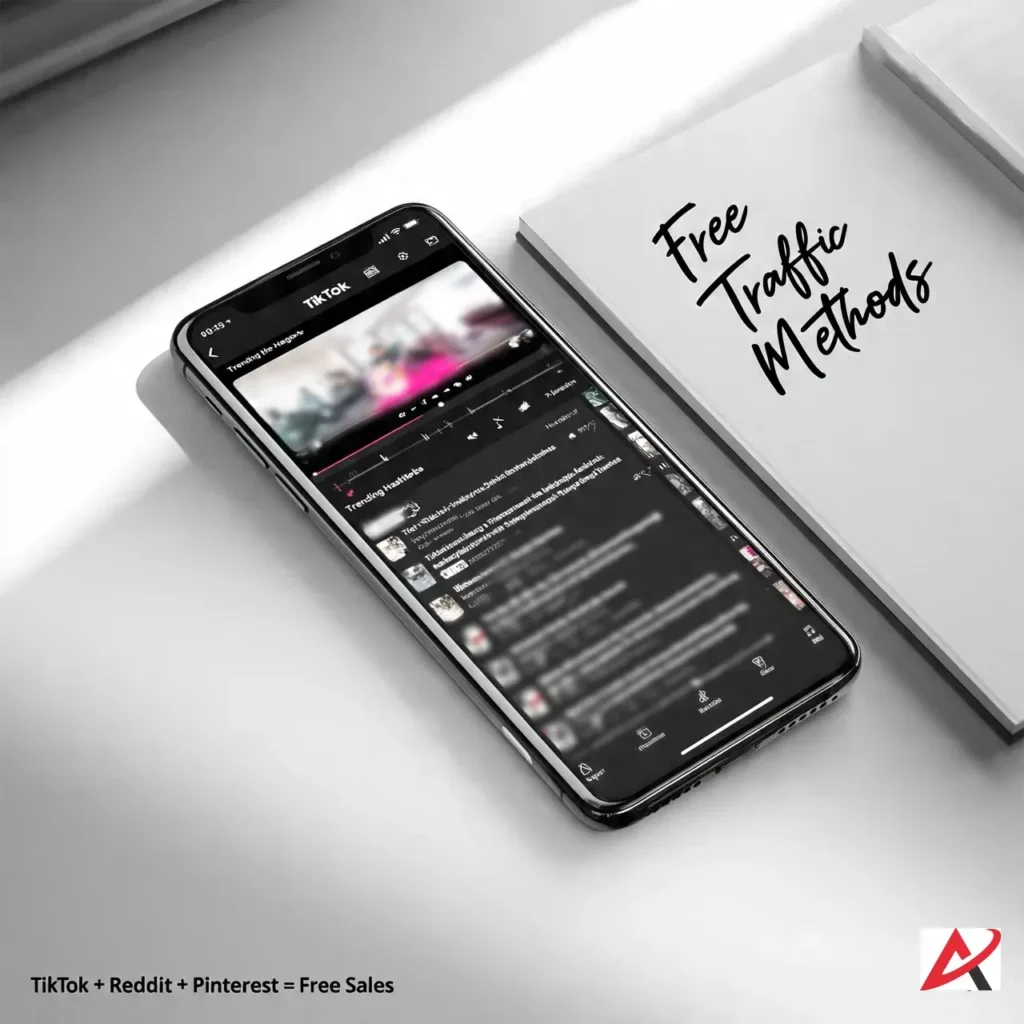
1. TikTok Organic
- Post 1 to 2 videos daily showing your product solving a problem
- Example: Stop losing your phone in the car with before/after footage
- Use trending sounds and hashtags like #dropshipping #amazonfinds
- I got 50,000 views and 12 sales from one video, zero dollars spent
2. Reddit Marketing
- Find subreddits related to your niche (r/homeoffice, r/campinggear, r/parenting)
- Do NOT post links. Instead, answer questions and casually mention your product.
- Example: Someone asks How do I stop my back pain while working from home? You reply: I tried a few footrests and ended up buying this one. Happy to DM the link if helpful.
- Soft. Helpful. Not spammy.
3. Pinterest
- Create 5 to 10 pins showing your product in use
- Link to your store
- Pinterest is underrated for home, garden, fashion, and gift niches
4. Influencer Gifting
- Find micro-influencers with 5,000 to 20,000 followers in your niche
- DM them: I will send you a free product if you post an honest video.
- Costs you product cost + shipping (10, 10 to 20). Cheaper than ads.
Paid Ads (When You Are Ready)
When you have proven your product works with free traffic, then run ads.
For beginners in 2026, start with TikTok Ads, not Facebook.
Why? TikTok ads are cheaper (20, 20 to 50 days to test vs $100 day on Facebook). The algorithm is more forgiving. And the audience is younger and more open to new products.
My simple TikTok ad structure for testing:
- Daily budget: $30
- Target: Automatic targeting (let TikTok find your audience)
- Creative: User-generated style video (not polished commercial)
- Duration: 5 to 7 days
If you get 2 to 3 sales per day at break-even, the product works. Then scale 20% every 3 days.
Chapter 6: Realistic Earnings for a Beginner Dropshipper (No Hype)
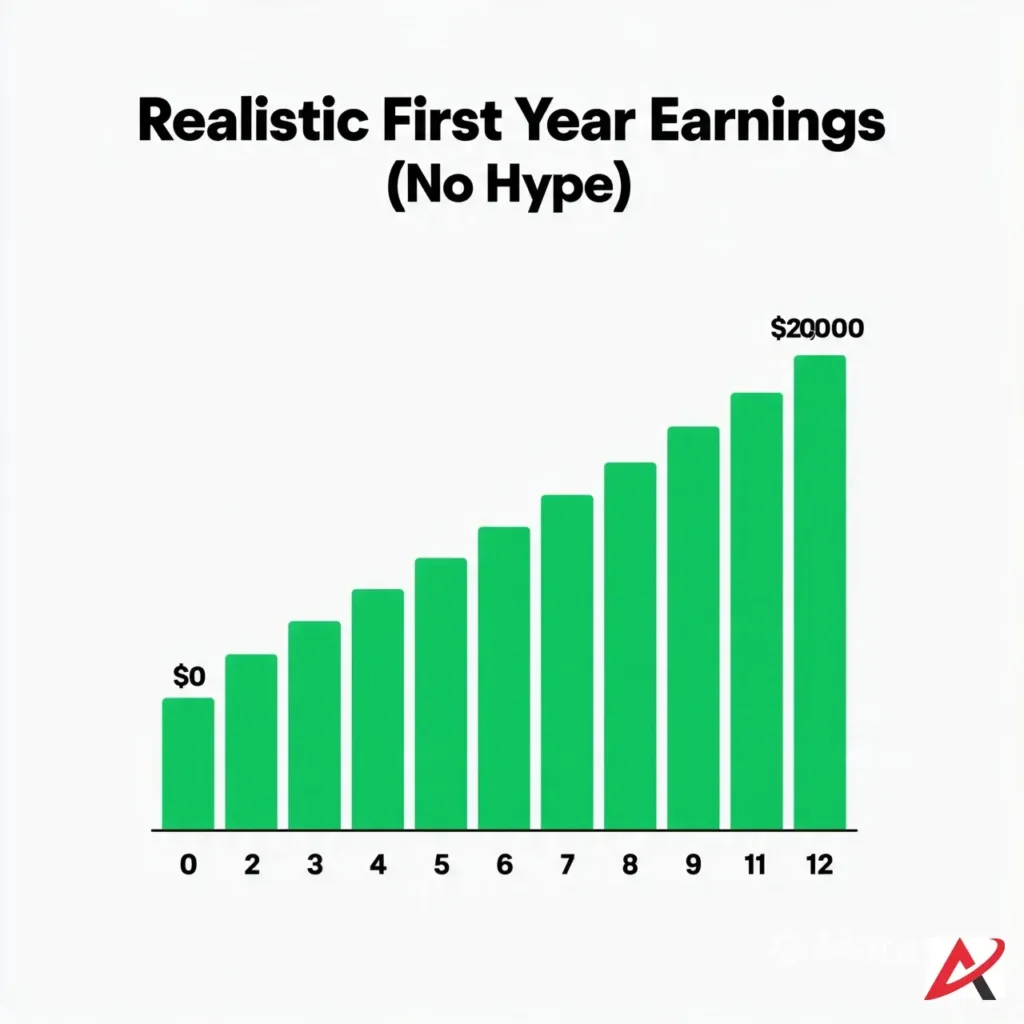
Let me be completely honest with you. Most dropshippers fail. But the ones who succeed follow a realistic path.
Here is what you can actually expect when learning how to start a dropshipping business for beginners in 2026:
| Months 7 to 12 | Realistic Monthly Revenue | Profit (20 to 30% margin) | What You Are Doing |
| Month 1 | 0 to 0 to 200 | -50 to +50 to +50 | Learning, building store, finding first product |
| Month 2 | 200, 200 to 1,000 | 50, 50 to 250 | Testing products, small ad budget, organic content |
| Month 3 | 1,000, 1,000 to 3,000 | 200, 200 to 800 | First winning product, consistent sales |
| Month 4 to 6 | 3,000, 3,000 to 8,000 | 600,600 to 2,400 | Scaling ads, email marketing, repeat customers |
| Month 7 to 12 | 8,000, 8,000 to 20,000 | 1,500, 1,500 to 5,000 | Multiple products, optimized systems, supplier relationships |
My second store did 8,500 in month 4 with 8,500 in month 4 with 2,100 profit. By month 8, I hit 18,000 in revenue with18,000 in revenue with 4,500 profit.
But here is the truth nobody posts on Instagram: I lost money for 3 months before that. I tested 7 products. Four failed. Two broke even. One worked.
That is the real dropshipping journey.
Chapter 7: Common Beginner Mistakes
Mistake 1: Choosing Cheap Products Under $10
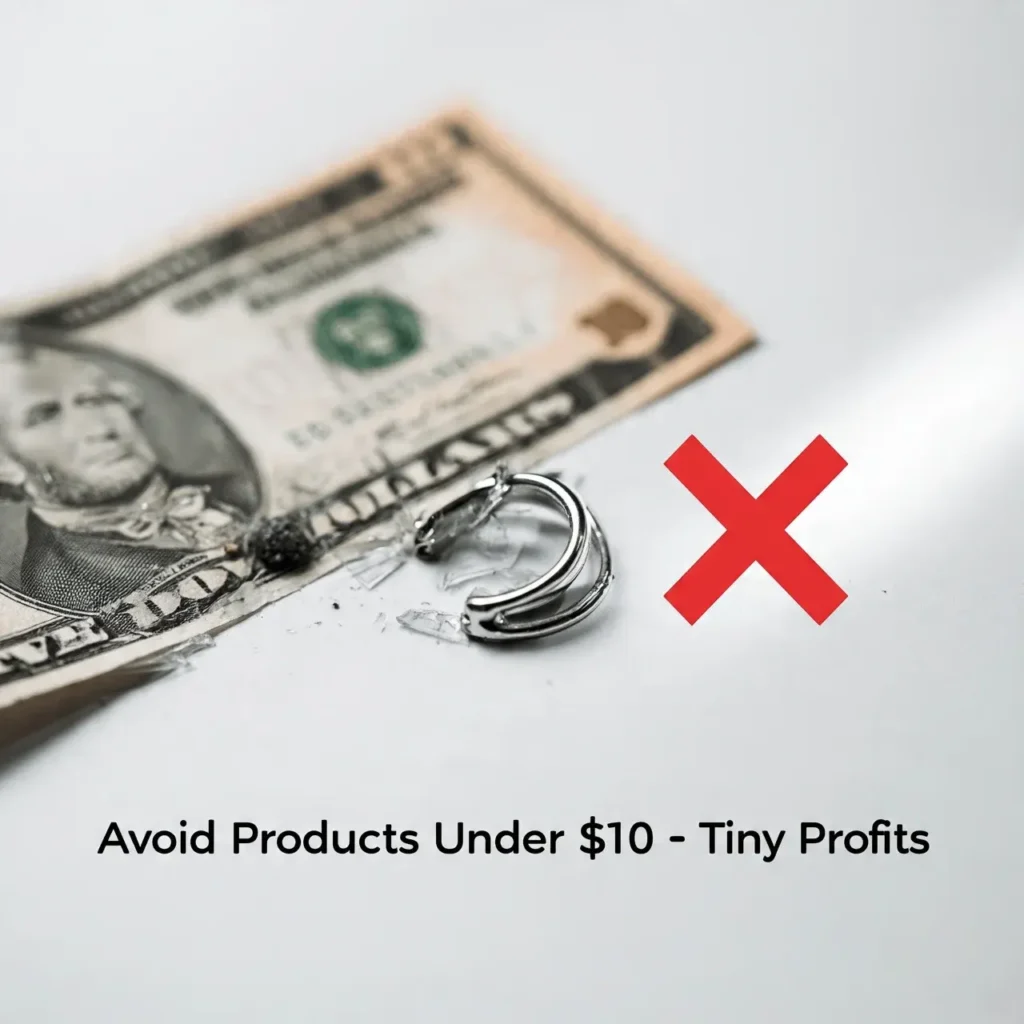
Products under 10 have tiny profit margins. After ads and fees, you make10 have tiny profit margins. After ads and fees, you make 1 to 2 presales. You need 500 sales to make 2 per sale. You need 500 sales to make 1,000.
Instead, target products sell for 25,25 to 60, with 10,10 to 20 profit per sale.
Mistake 2: Ignoring Email Marketing
Most beginners spend all their money on ads to get new customers. Then they never email those customers again.
Smart dropshippers collect emails and send follow-ups:
- Abandoned cart email: You forgot something! → 10–15% recovery rate
- Post-purchase email: Here is how to use your product → Builds trust
- Cross-sell email: Customers also bought this → Additional sales
I use Klaviyo (free up to 250 contacts). It adds 15 to 20% extra revenue.
Mistake 3: Using Only AliExpress Without Testing Suppliers
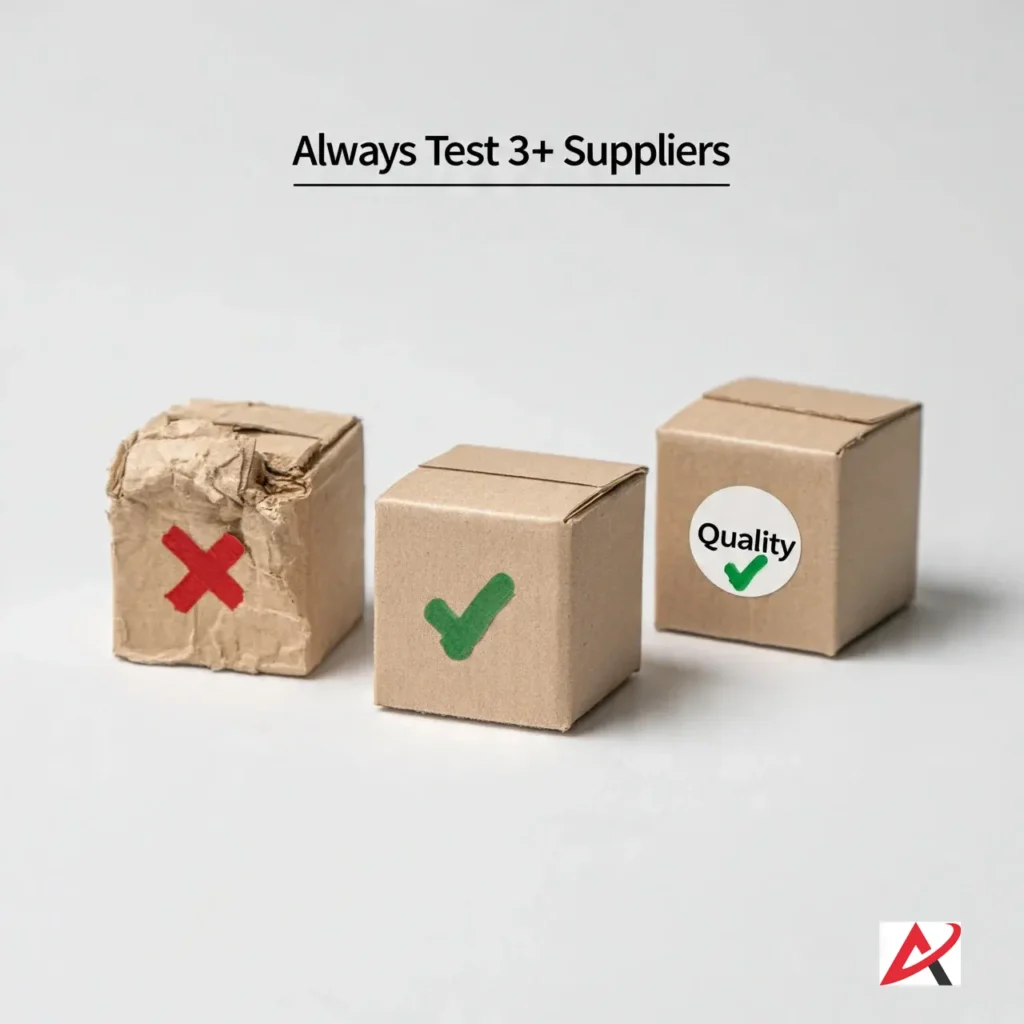
Not all AliExpress suppliers are bad. But you must test them.
Order samples from 3 different suppliers. Compare:
- Product quality
- Packaging
- Shipping time
- Communication
The cheapest supplier is rarely the best supplier.
Mistake 4: Giving Up After One Failure
I failed once. Then I learned. Then I succeeded.
Most beginners fail once and quit. The difference between success and failure is not intelligence or money. It is a willingness to try again after losing money.
Chapter 8: Tools You Need to Start (Under $50/month)
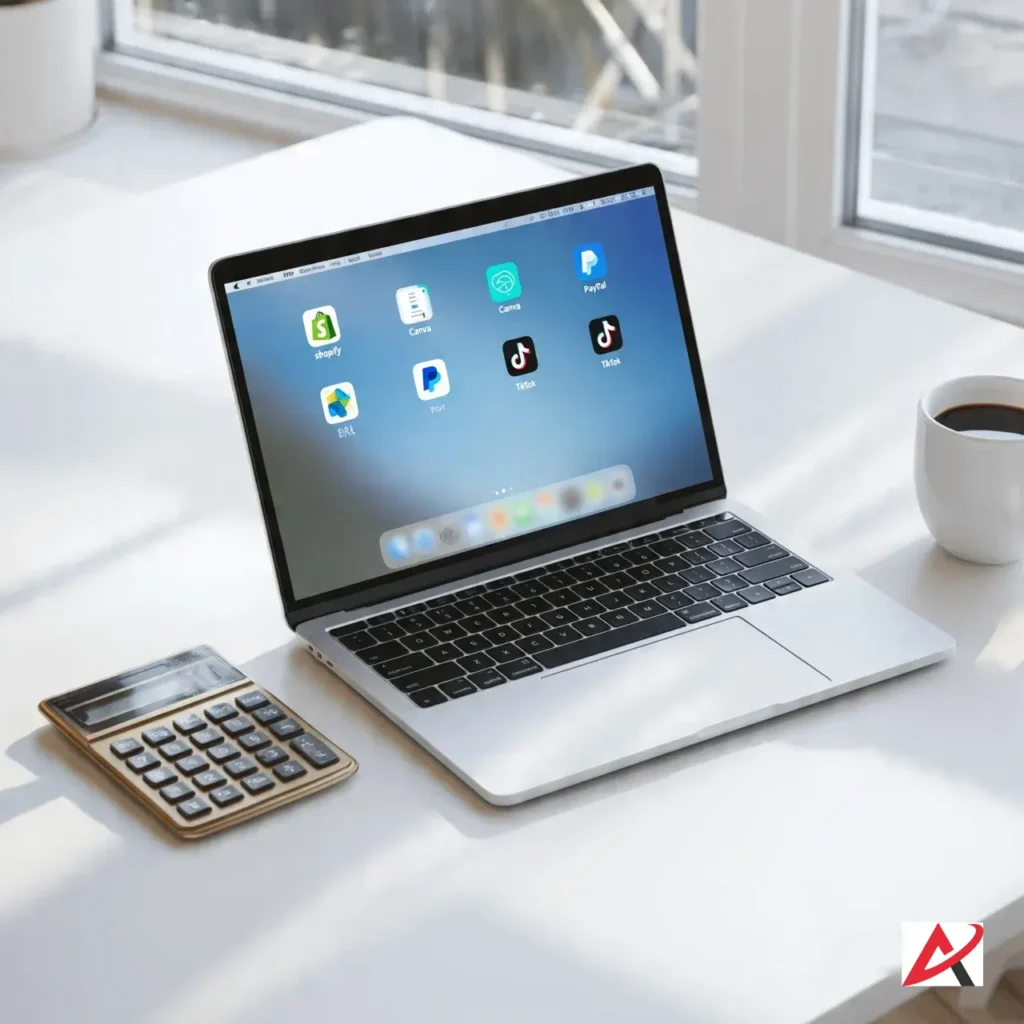
You do not need expensive software. Here is my beginner toolkit:
| Free for the basic plan | Purpose | Monthly Cost |
| Shopify | Build your online store | 29 or 29 (or1 for 3 months trial) |
| Spocket or Zendrop | US/EU suppliers | Free for basic plan |
| Canva | Product images, logos, ads | Free |
| TikTok Ads Manager | Run ads | Pay as you go (minimum $20/day test) |
| Klaviyo | Email marketing | Free up to 250 contacts |
| Google Sheets | Product research, tracking | Free |
| PayPal or Stripe | Process payments | Transaction fees only |
Total first month cost: 30,30 to 50 + ad budget.
Chapter 9: Your First 7 Day Action Plan
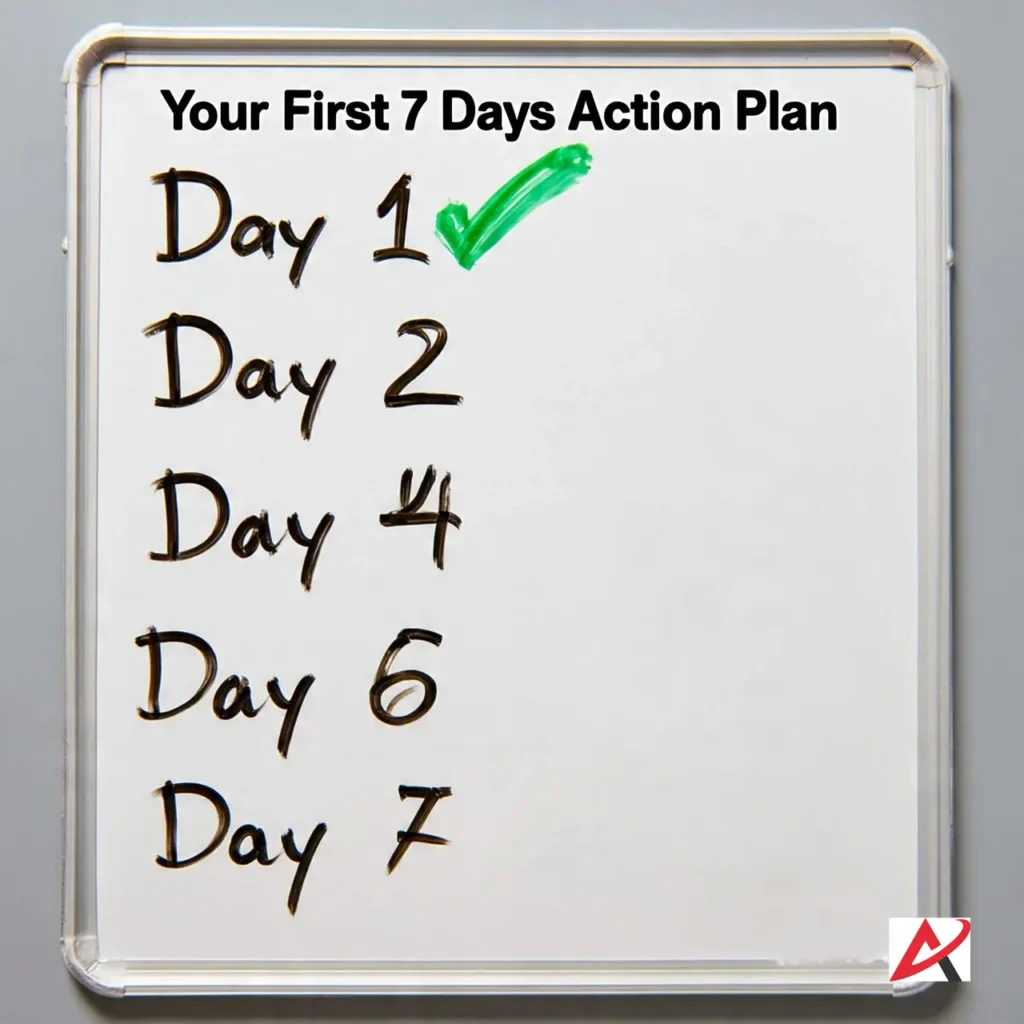
Stop reading. Start doing. Here is your exact plan.
Day 1 to 2: Learn & Setup
- Watch 3 free YouTube videos on Shopify setup
- Sign up for a Shopify 3-day trial ($1 for 3 months if available)
- Choose a free theme (Dawn or Sense)
Day 3 to 4: Find Products
- Find 10 product ideas using TikTok and Amazon Best Sellers
- Validate 3 products using Google Keyword Planner
- Check supplier pricing on Spocket or Zendrop
Day 5 to 6: Build Store
- Pick your best product
- Write product description (focus on benefits, not features)
- Add product photos (order sample if possible)
- Create a logo on Canva
- Write About Us and FAQ pages
Day 7: Launch & First Traffic
- Post 1 TikTok video showing your product
- Join 2 Facebook groups in your niche
- Set up email capture popup
- Run $30 TikTok ad test (if budget allows)
Chapter 10: Final Words (From Someone Who Almost Quit)

When I lost $1,200 on my first store, I sat on my couch and told myself I had made big mistakes.I had watched all the videos. I had bought the course. I had done everything the guru said.
But here is what I learned: The gurus make money selling courses. You make money building systems.
Dropshipping in 2026 is not easy. The days of push a button and get rich are long gone. But if you are willing to learn slowly, test patiently, and treat customers with respect, you can still build a real business.
I started with $500. I failed. I learned. I tried again.
Today, my store runs mostly on autopilot. I check it for 1to 2 hours per day. I spend time with my family. And I never have to ask permission for time off.
That is the real reward of learning how to start a dropshipping business for beginners to not instant millions, but freedom.
So here is my challenge to you:
Stop watching another YouTube video. Stop comparing yourself to fake gurus. Start today. Build something small. Fail fast. Learn faster. And try again.
Your first $100 profit will feel better than any course you ever bought.