Now Reading: Best Freelance Websites to Find Work in the US (2026)
- 01
Best Freelance Websites to Find Work in the US (2026)

Here’s how to turn small spaces into cozy retreats with simple, affordable decor ideas that work for any style.
Written by: Hamza Sanaulla
(A Real Beginner’s Platform-by-Platform Guide for 2026)
What are the best freelance websites to find work in the US for beginners? This is the exact question I asked myself three years ago when I had zero clients, zero confidence, and zero direction.
If you are trying to figure out what the best freelance websites are to find work in the US for beginners, this guide will save you months of confusion.
When I started freelancing, I made the same mistake most beginners make: I joined too many platforms at once. I kept switching platforms, sending random proposals, and hoping something would finally work. Nothing did.
Then I realized that determining which freelance websites are best for beginners to find work in the US isn’t a one-size-fits-all answer. What works for a writer does not work for a developer. What works for a beginner does not work for an expert.
Today, I make over $8,000/month freelancing from home. In this guide, I will answer the question of which freelance websites are best for beginners in the US to find work, based on your skill level, experience, and income goals.
Let’s start with the mistakes I made first.
Get Your First Freelance Clients in the U.S. Market
Chapter 1: My First Year Was a Mess
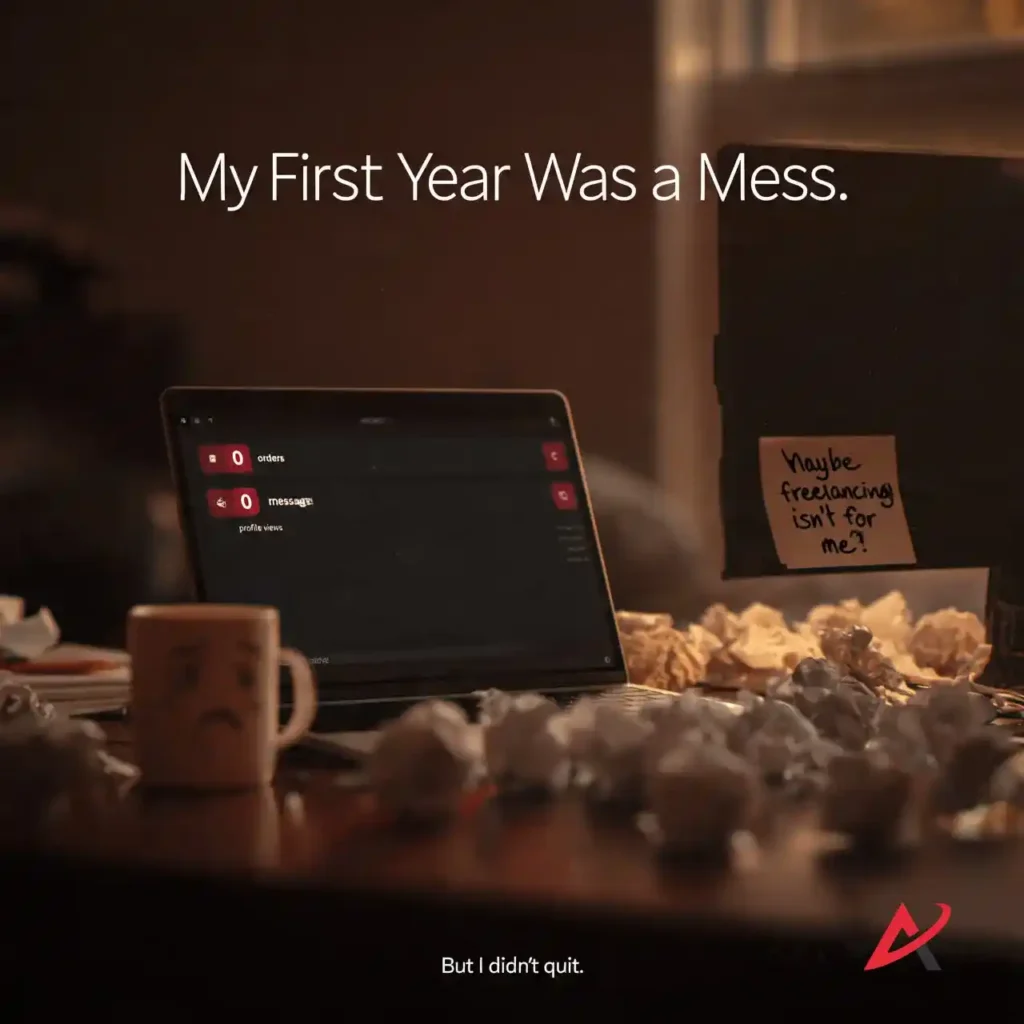
I still remember creating my first Fiverr gig.
I spent hours writing the description, choosing keywords, and designing the thumbnail.
Then I published it and waited. Nothing happened.
For almost two weeks:
- No orders
- No messages
- No profile views
After that, I switched to Upwork.
I bought connects, sent proposals, and applied to random jobs without any strategy.
One client replied, asked a few questions, and disappeared. At that point, I genuinely thought freelancing just wasn’t for me. But looking back, the problem wasn’t freelancing.
The problem was that I was trying to do everything at once instead of learning one platform properly.
Things changed when I focused on:
- One platform
- One service
- One type of client
My first paid job came from Upwork, a simple $50 data entry task.
It wasn’t exciting, but it gave me something more important:
Proof that someone was willing to pay me online.
Six months later, I had a few regular clients.
One year later, I crossed $4,000/month.
Today, freelancing is my full-time income.
And honestly, the biggest difference wasn’t talent.
It was understanding which platforms fit my experience level.
Chapter 2: Best Freelance Websites in the US
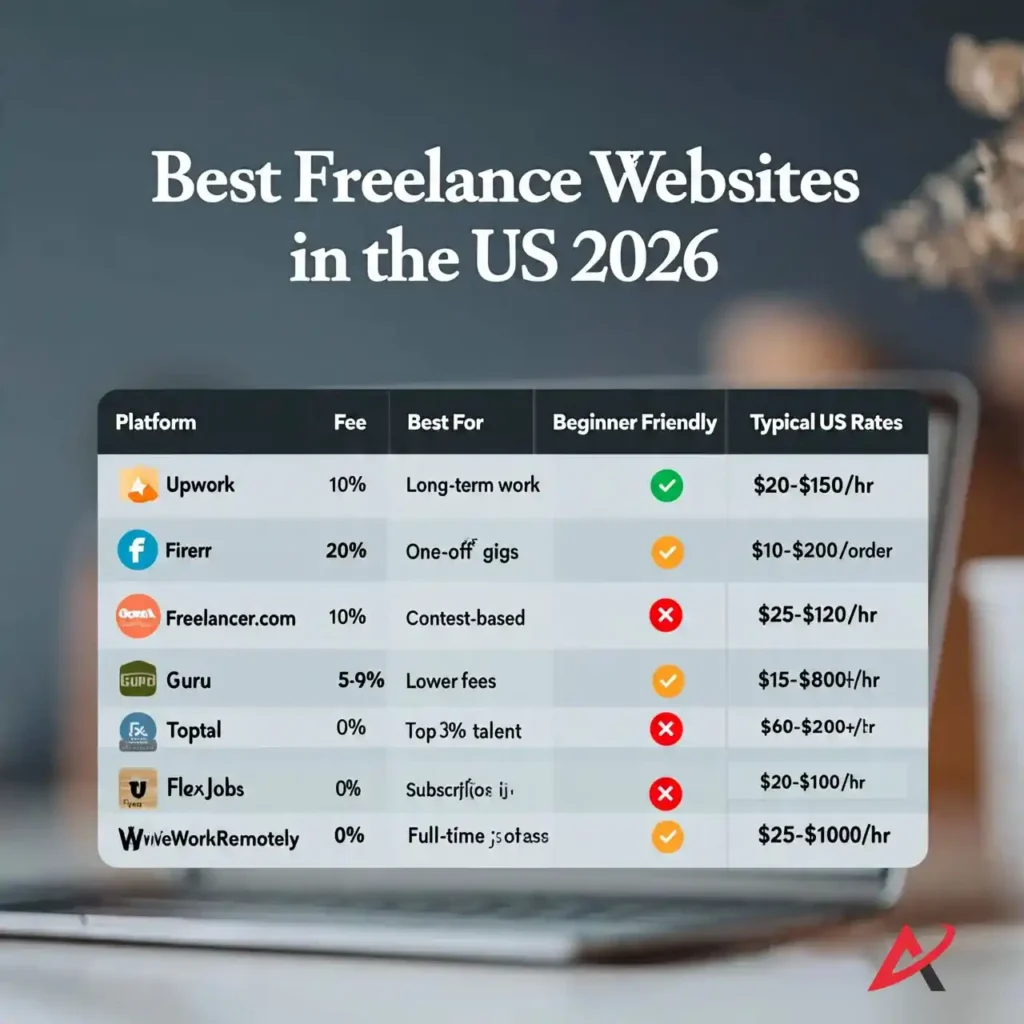
| Platform | Platform Fee | Best For | Beginner Friendly | Typical US Rates |
| Upwork | 10% | Long-term freelance work | Yes | $20 to $150/hr |
| Fiverr | 20% | Productized services | Yes | $10 to $200+/order |
| Contra | 0% | Portfolio-based freelancers | Medium | $25 to $120/hr |
| Freelancer.com | 10% | Competitive bidding | Yes | $10 to $80/hr |
| Guru | 5 to 9% | Lower platform fees | Medium | $15 to $100/hr |
| Toptal | 0% | Elite freelancers | No | $60 to $200+/hr |
| FlexJobs | Subscription | Remote job listings | Medium | $20 to $100/hr |
| We Work Remotely | 0% | Full-time remote jobs | Medium | $50k to $180k/year |
If you’re just starting, Upwork and Fiverr are usually the easiest entry points.
For experienced freelancers, platforms like Contra and Toptal often offer better rates and lower fees.
Chapter 3: Best Freelance Websites for Beginners
If you have:
- no reviews
- no portfolio
- no clients
Then you should start with beginner-friendly platforms first.
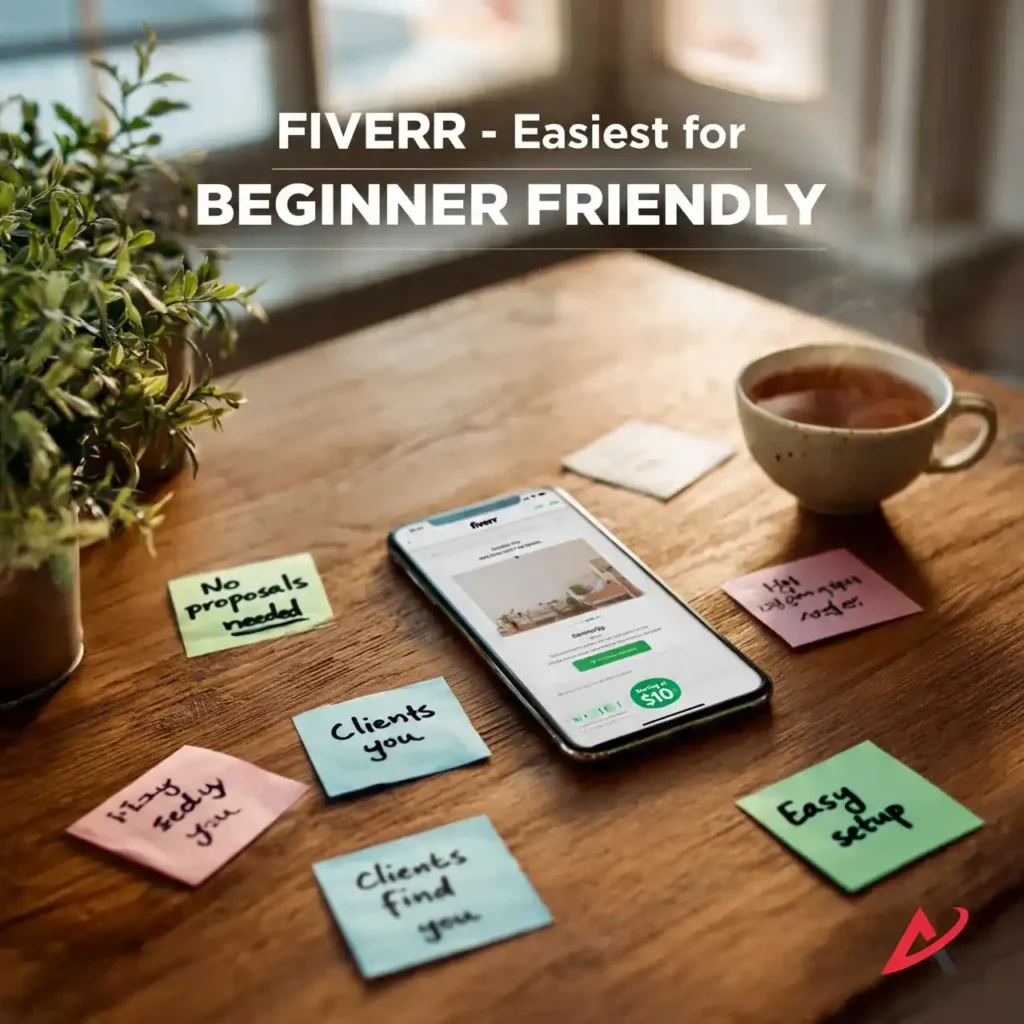
1. Fiverr is the easiest platform for Absolute Beginners
Fiverr works differently from most freelance websites.
Instead of applying for jobs, you create service listings called “gigs,” and clients find you.
Why Fiverr Is Good for Beginners
- No proposals required
- Easy setup
- Clients search for your service
- Good for simple services
The Downsides
- 20% platform fee
- Very competitive categories
- Ranking can take time
Realistic Beginner Earnings
- Months 1 to 2: $0 to $200
- Months 3 to 6: $500 to $2,000/month
- After 1 year: $2,000 to $5,000/month possible
Best For
- Logo design
- Video editing
- Social media posts
- Voiceovers
- Simple writing services
2. Upwork Best for Long-Term Growth
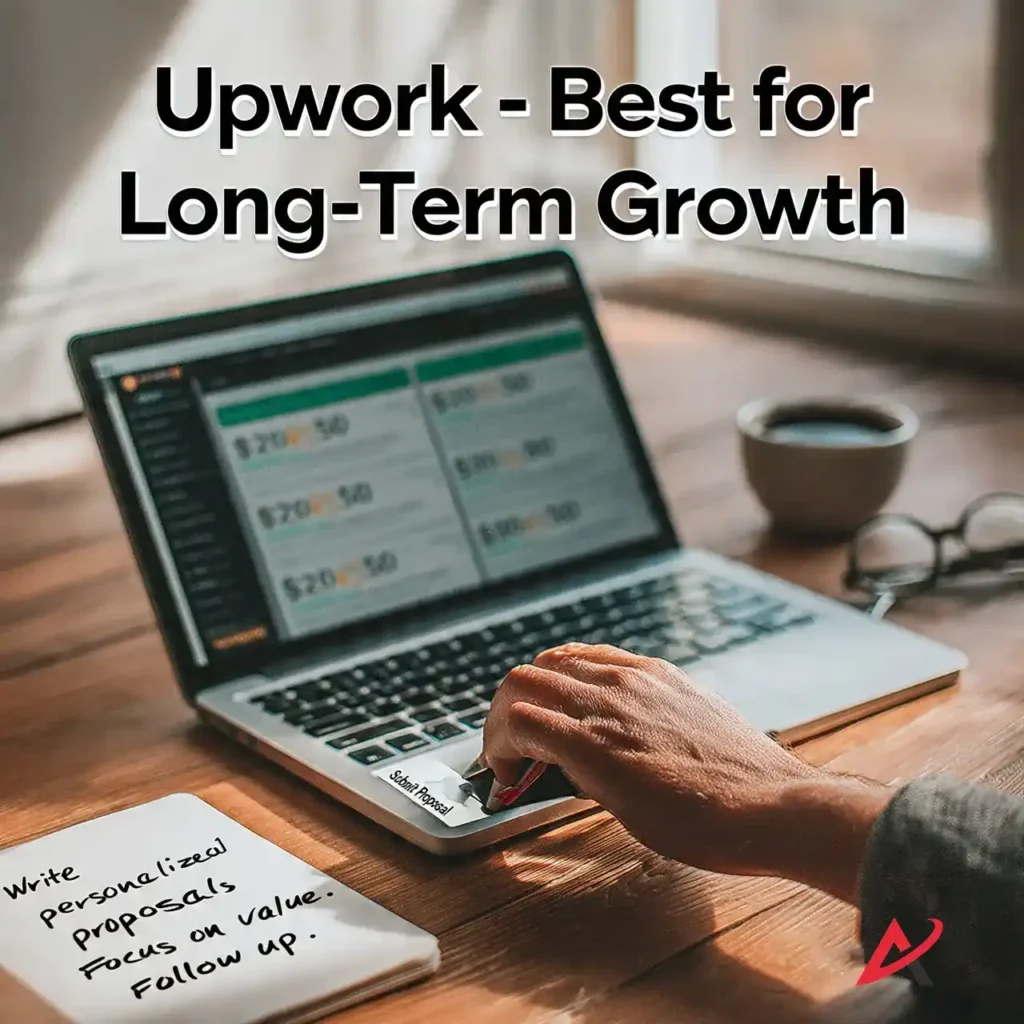
Upwork is still one of the strongest freelance platforms in the US market.
Clients post jobs, and freelancers submit proposals.
Why Upwork Works Well
- Better long-term clients
- Higher rates than Fiverr
- A large number of job postings
- Strong earning potential
Challenges
- You pay for Connects
- The first job is difficult
- Good proposals matter a lot
Realistic Earnings
- Months 1 to 2: $0 to $500
- Months 3 to 6: $1,000 to $3,000/month
- After 1 year: $3,000 to $8,000/month possible
Best For
- Writers
- Virtual assistants
- Developers
- Designers
- Marketers
3. Freelancer.com Good for Portfolio Building
Freelancer.com is heavily competition-based, but it can still help beginners build experience.
Why Some Beginners Use It
- Contest system
- Easier entry in some categories
- Can help build portfolio samples
Downsides
- Low-budget projects
- Heavy competition
- Many freelancers underprice work
Realistic Earnings
Around $500 to $2,000/month after several months of consistency.
Chapter 4: Best Platforms for Intermediate Freelancers

Once you have:
- reviews
- testimonials
- repeat clients
- stronger portfolio samples
You can move toward better-paying platforms.
1. Contra Keep 100% of Your Earnings
Contra is becoming increasingly popular among freelancers because it charges 0% commission.
Why Freelancers Like Contra
- No platform fees
- Modern portfolio system
- Better branding opportunities
- Cleaner client experience
Downsides
- Smaller marketplace than Upwork
- Portfolio quality matters more
Typical Earnings
$2,000 to $6,000/month for intermediate freelancers.
2. Guru Lower Fees
Guru takes lower commissions compared to Fiverr and Upwork.
That means freelancers keep more of what they earn.
Best For
Freelancers who already have experience and want better profit margins.
Chapter 5: Best Platforms for Advanced Freelancers
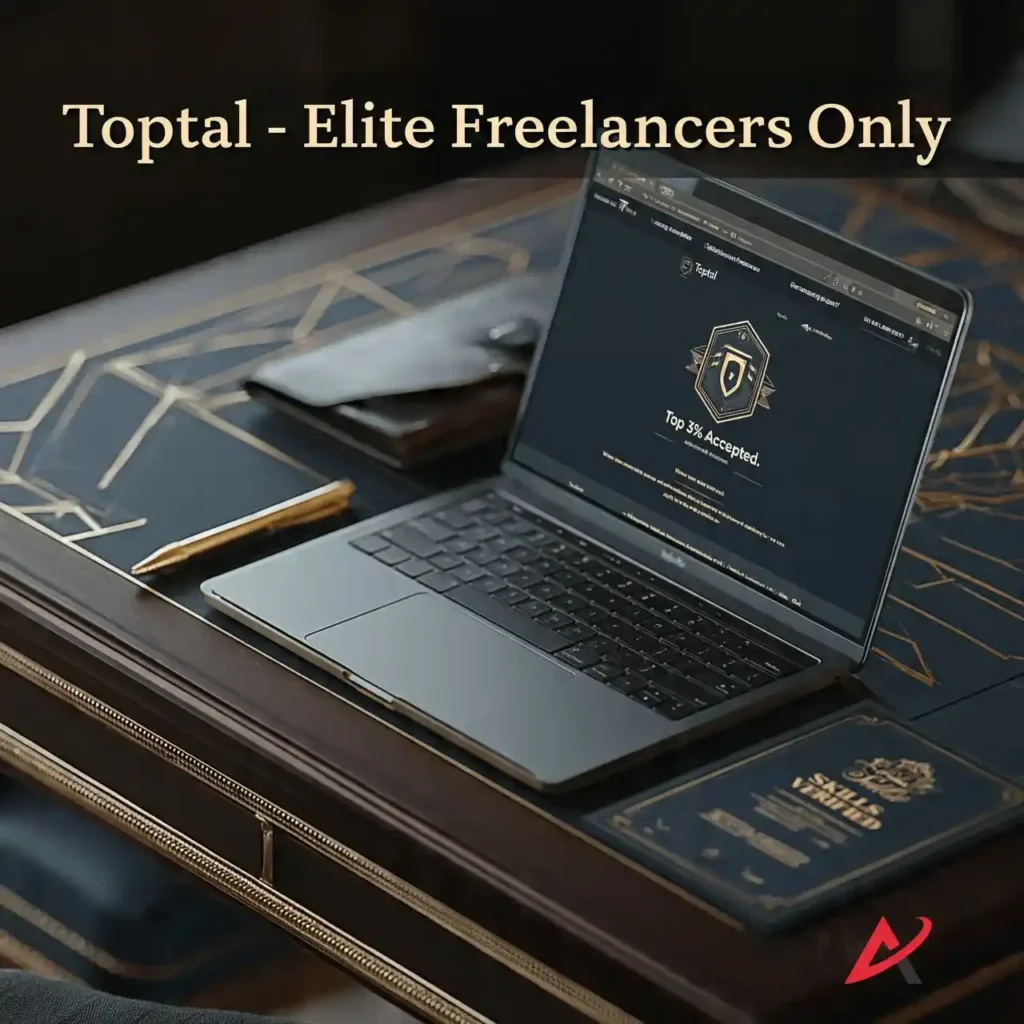
These platforms are not beginner-friendly, but they offer some of the highest freelance rates online.
1. Toptal High-End Clients
Toptal accepts only a small percentage of applicants.
The screening process is strict and usually includes:
- Interviews
- Skill tests
- Portfolio reviews
Typical Rates
$60 to $200+/hour
Best For
- Developers
- Finance experts
- Senior designers
- Product specialists
2. Arc.dev Remote Developer Jobs
Arc.dev focuses mainly on developers working remotely with US companies.
Typical Earnings
- $80 to $180/hour
- $100k to $200k/year
3. We Work Remotely
We Work Remotely lists remote jobs from companies worldwide.
This is better for people looking for long-term remote work rather than short freelance gigs.
Chapter 6: Real Freelance Rates in the US (2026)
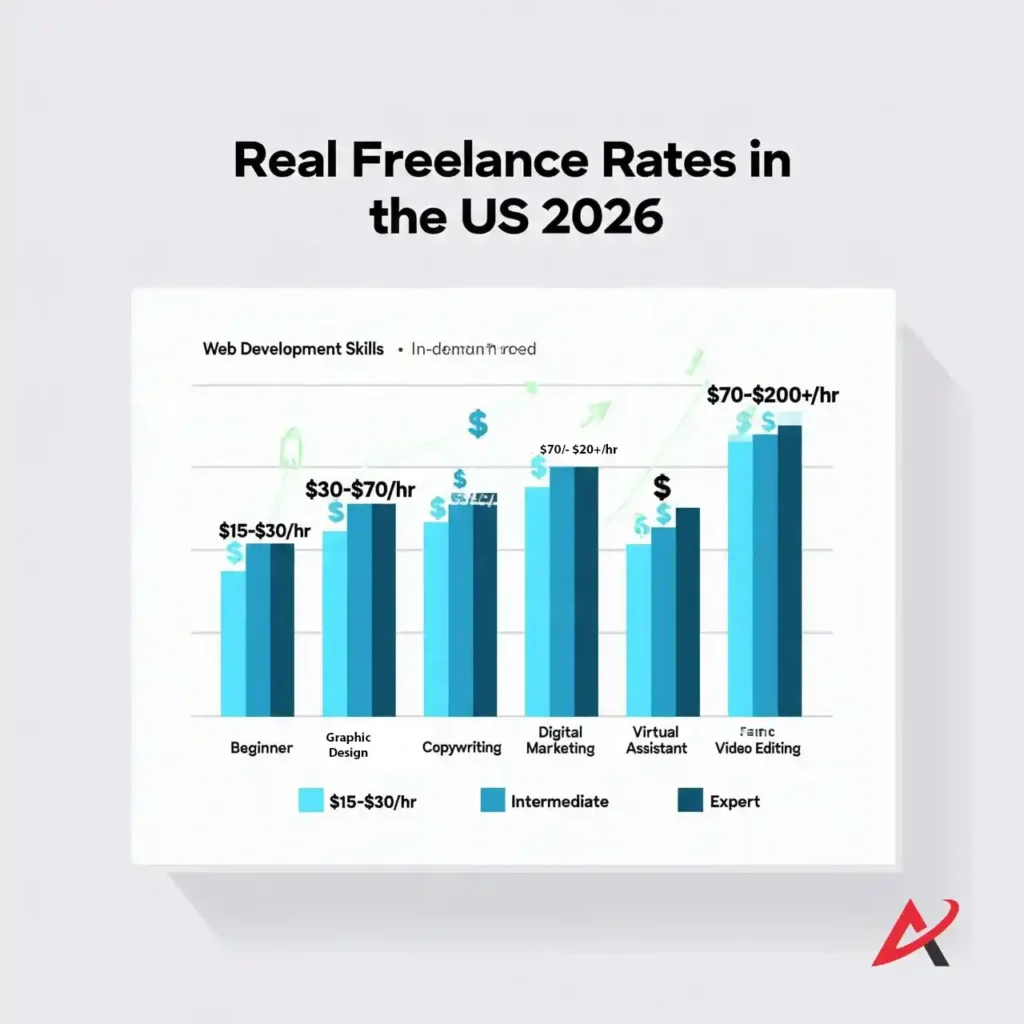
| Skill | Beginner | Intermediate | Expert |
| Web Development | $25 to $40/hr | $50 to $80/hr | $100 to $200+/hr |
| Graphic Design | $15 to $25/hr | $30 to $50/hr | $75 to $150+/hr |
| Copywriting | $20 to $35/hr | $40 to $70/hr | $100 to $200+/hr |
| Digital Marketing | $25 to $40/hr | $50 to $80/hr | $120 to $200+/hr |
| Virtual Assistant | $15 to $25/hr | $25 to $40/hr | $50 to $80/hr |
| Video Editing | $20 to $35/hr | $40 to $60/hr | $80 to $150/hr |
These numbers vary depending on:
- portfolio quality
- communication skills
- niche specialization
- client type
Chapter 7: How to Get Your First Client
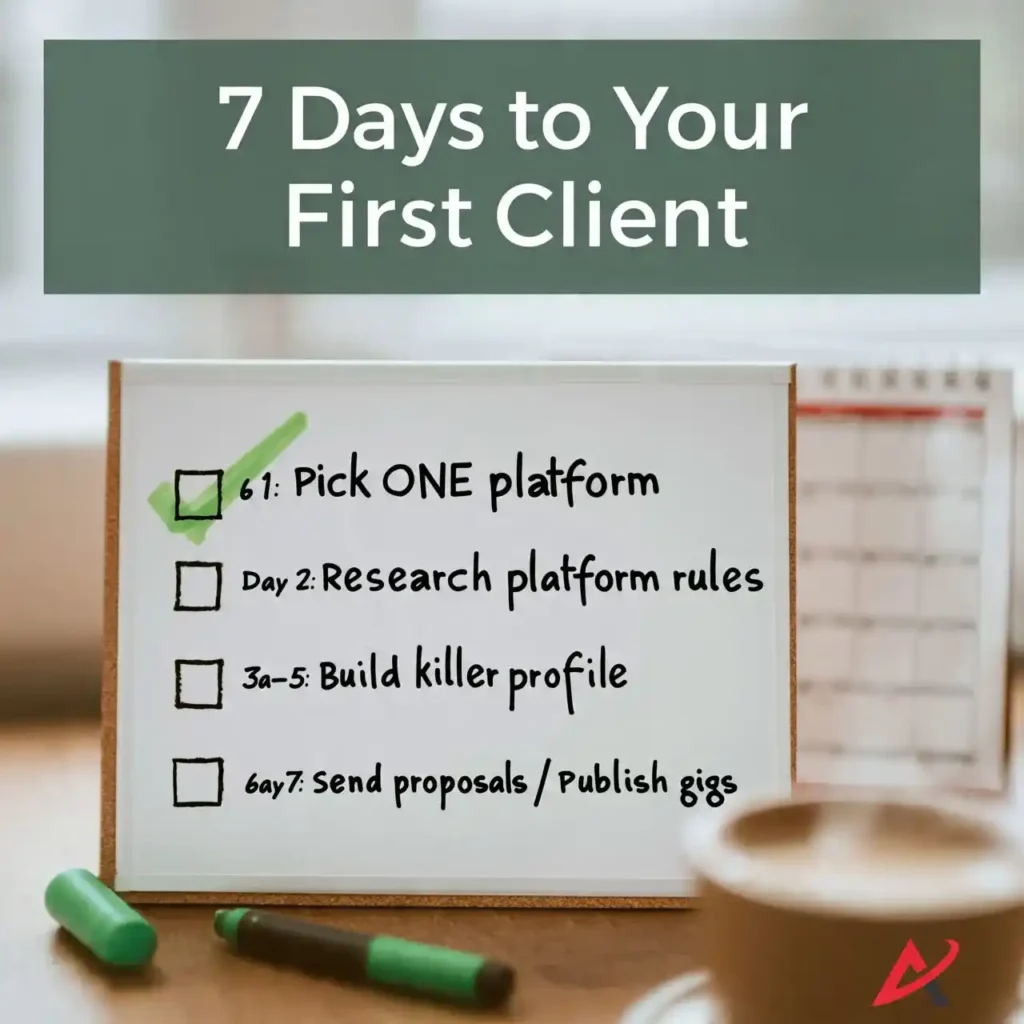
Day 1 to 2: Choose One Platform
Do not join five platforms at once.
Pick one and learn it properly.
Suggested Starting Point
- Complete beginner → Fiverr
- Beginner with portfolio → Upwork
- Experienced freelancer → Contra
Day 3 to 5: Improve Your Profile
Your profile should clearly explain:
- who you help
- What service do you offer
- what result clients get
Simple Headline Formula
I help a type of client achieve a specific result.
Example:
I help startups create landing pages that generate more leads.
Day 6 to 7: Start Applying
On Upwork
- Send 5 to 10 quality proposals daily
- Apply for smaller jobs first
- Personalize every proposal
On Fiverr
- Publish 3 to 5 gigs
- Use searchable keywords
- Create clean thumbnails
Chapter 8: Truths Most Freelancing Blogs Ignore
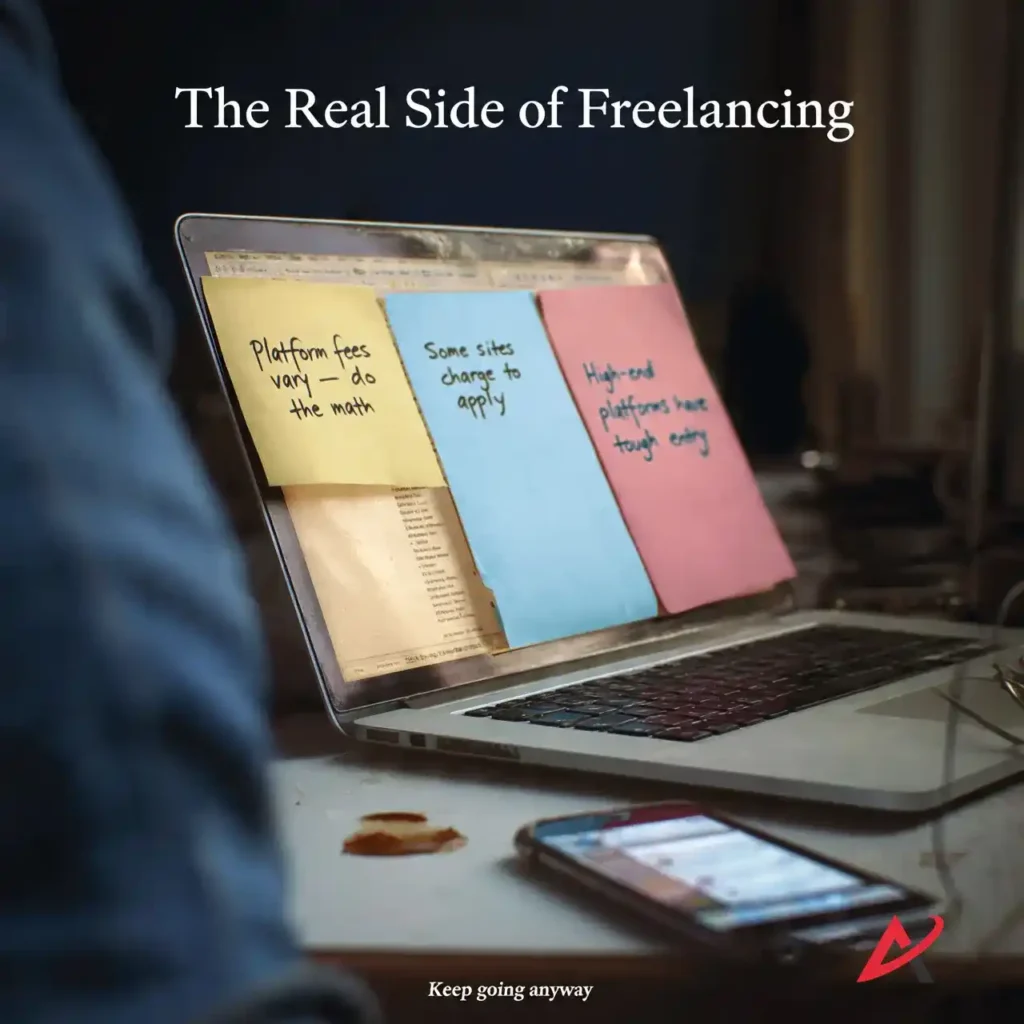
Fiverr Reality
- Easy to start
- Hard to rank
- 20% fee is painful in the long term
Upwork Reality
- Great long-term potential
- The first job is difficult
- Cheap pricing does not guarantee success
Toptal Reality
- Most applicants get rejected
- Strong experience is required
Biggest Lesson
Do not depend entirely on one platform.
Most successful freelancers eventually use:
- 2 to 3 platforms
- direct clients
- referrals
together.
Chapter 9: Best Platforms by Skill
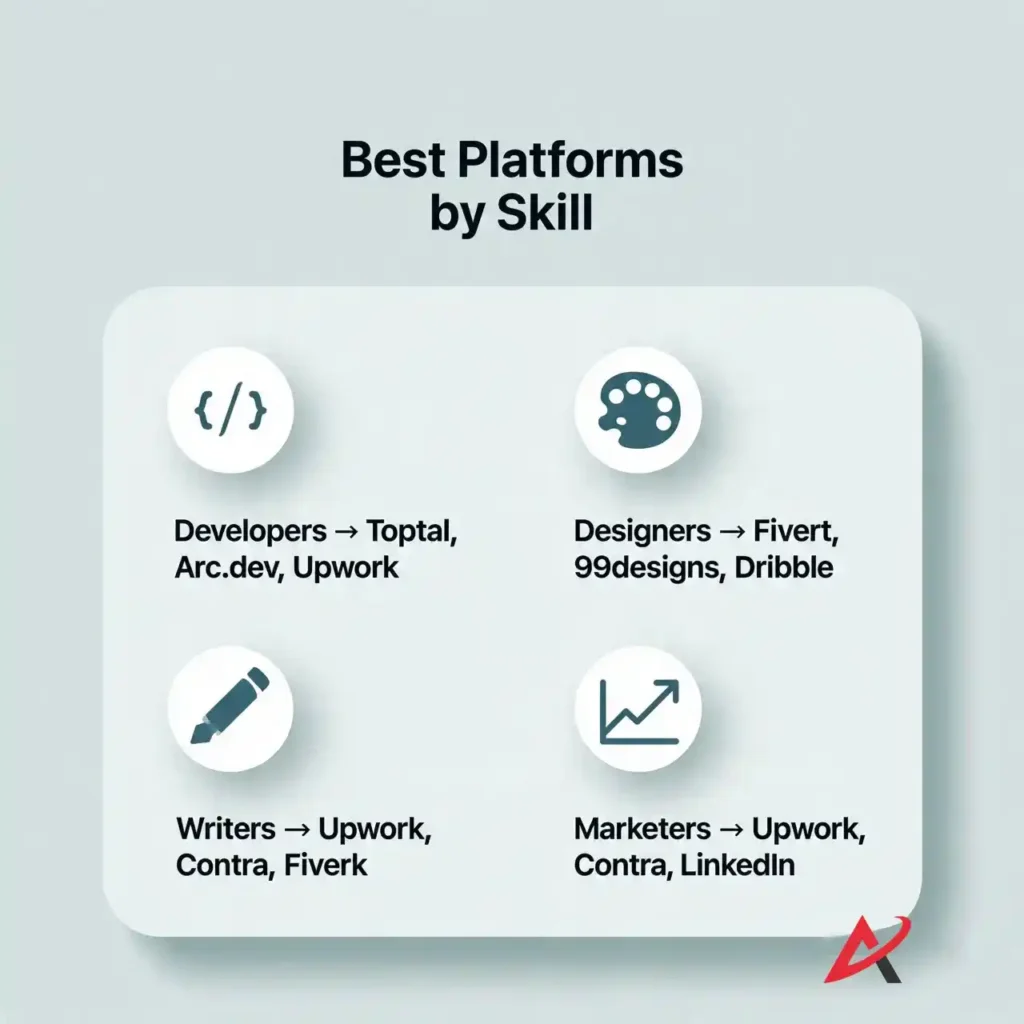
Developers
Best platforms:
- Toptal
- Arc.dev
- Upwork
Designers
Best platforms:
- Fiverr
- 99designs
- Dribbble
Writers
Best platforms:
- Upwork
- Contra
- Fiverr
Marketers
Best platforms:
- Upwork
- Contra
- LinkedIn Services
Chapter 10: Payments & Taxes for US Freelancers
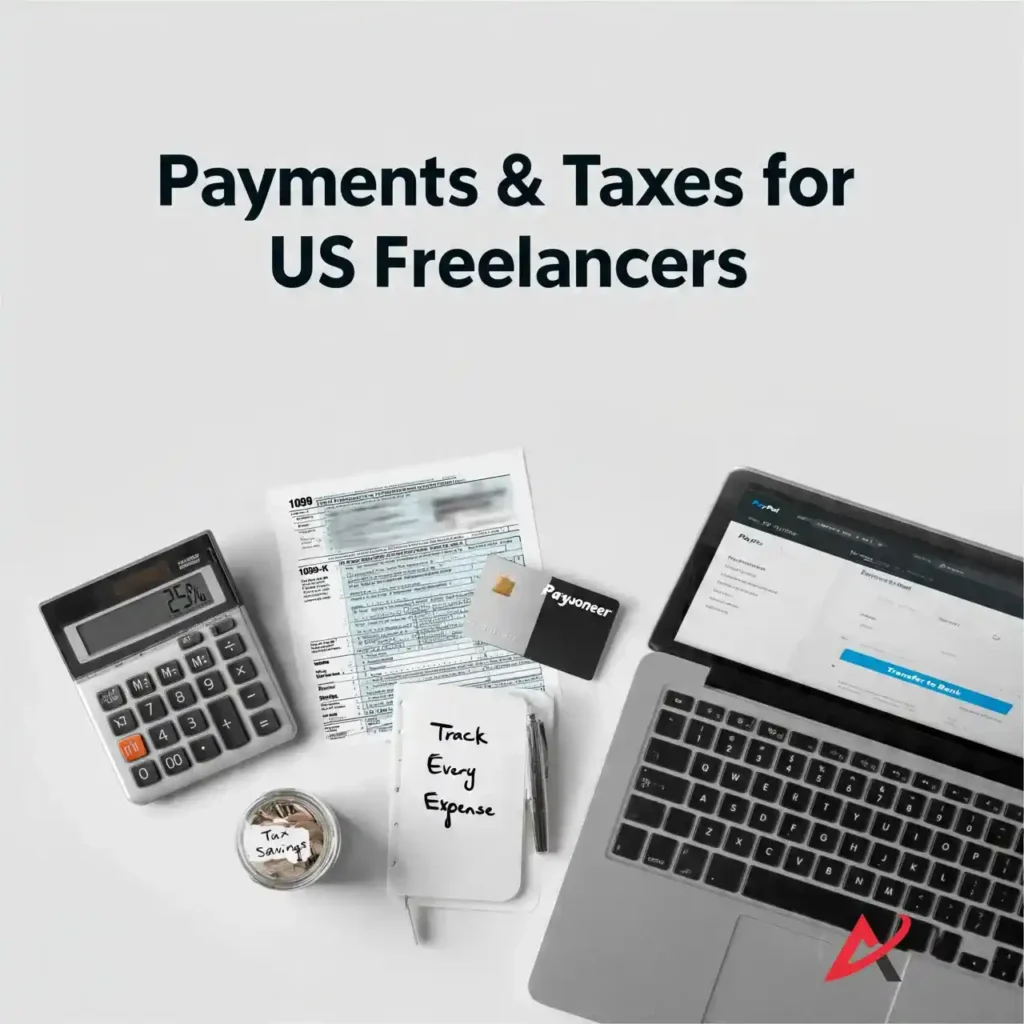
Payment Methods
Most platforms support:
- Direct bank transfer
- PayPal
- Payoneer
Useful services:
Taxes
US freelancers usually need to:
- report self-employment income
- track expenses
- Save money for taxes
A common recommendation is setting aside around 25 to 30% of freelance income for taxes.
Chapter 11: Freelancing Trends in 2026
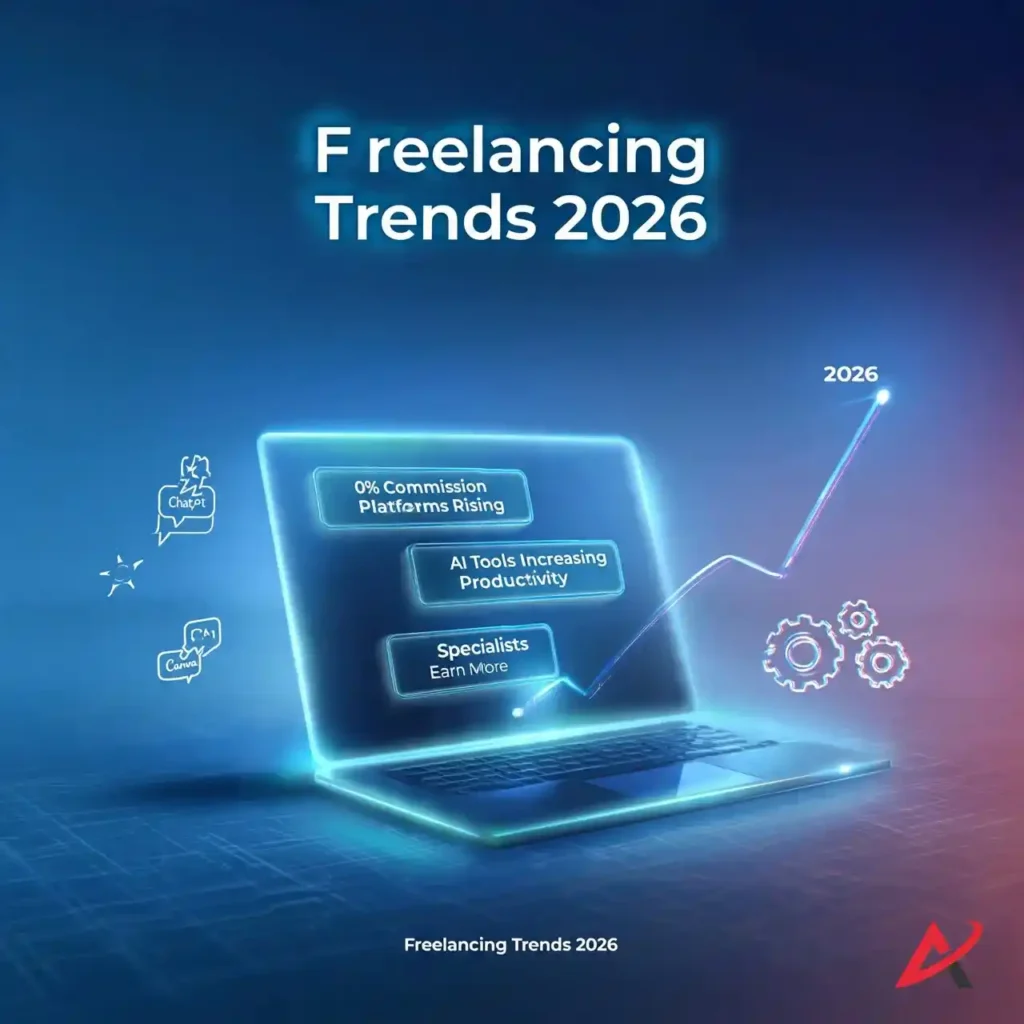
Some trends are becoming more obvious:
- 0% commission platforms are growing
- AI tools are increasing productivity
- Specialists earn more than generalists
- Long-term contracts are becoming more common
Freelancers who learn tools like ChatGPT, Canva AI, and automation software will likely have an advantage.
Chapter 12: My Personal Strategy
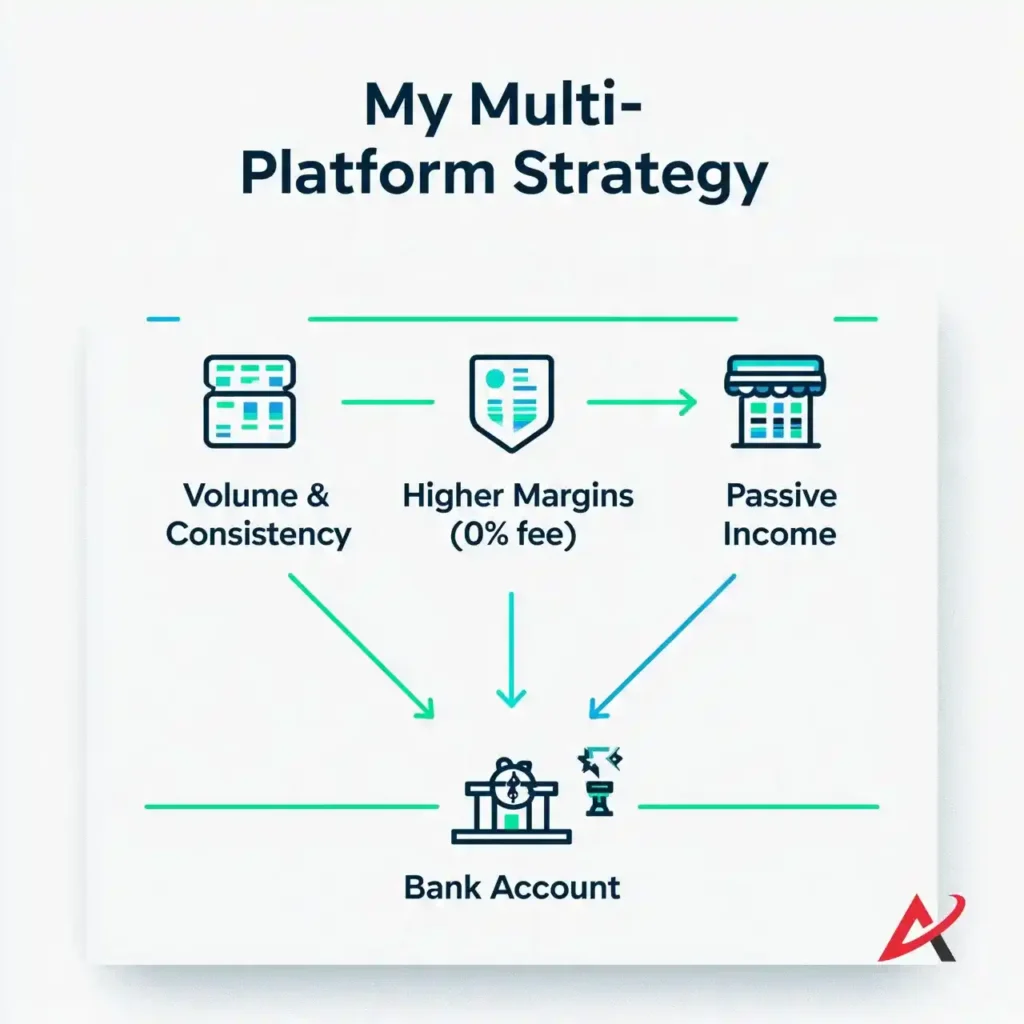
Here’s how I currently use freelance platforms:
- Upwork → Consistent client flow
- Contra → Higher profit margins
- Fiverr → Repeat buyers and smaller gigs
The long-term goal is usually:
- direct clients
- monthly retainers
- referrals
That’s where the most stable income comes from.
SEO Basics for Beginners: The Complete Step-by-Step Guide to Ranking on Google
Final Thoughts

When I first started freelancing, I thought success depended on finding the perfect platform.
It doesn’t. A strong freelancer with a clear service and good communication can succeed almost anywhere. The important thing is choosing one platform, learning how it works, and staying consistent long enough to improve. Your first client probably won’t change your life. But it will change your confidence. And that’s where freelancing really begins.