
Now Reading: How to Start a Profitable Dropshipping Business in the U.S.
- 01
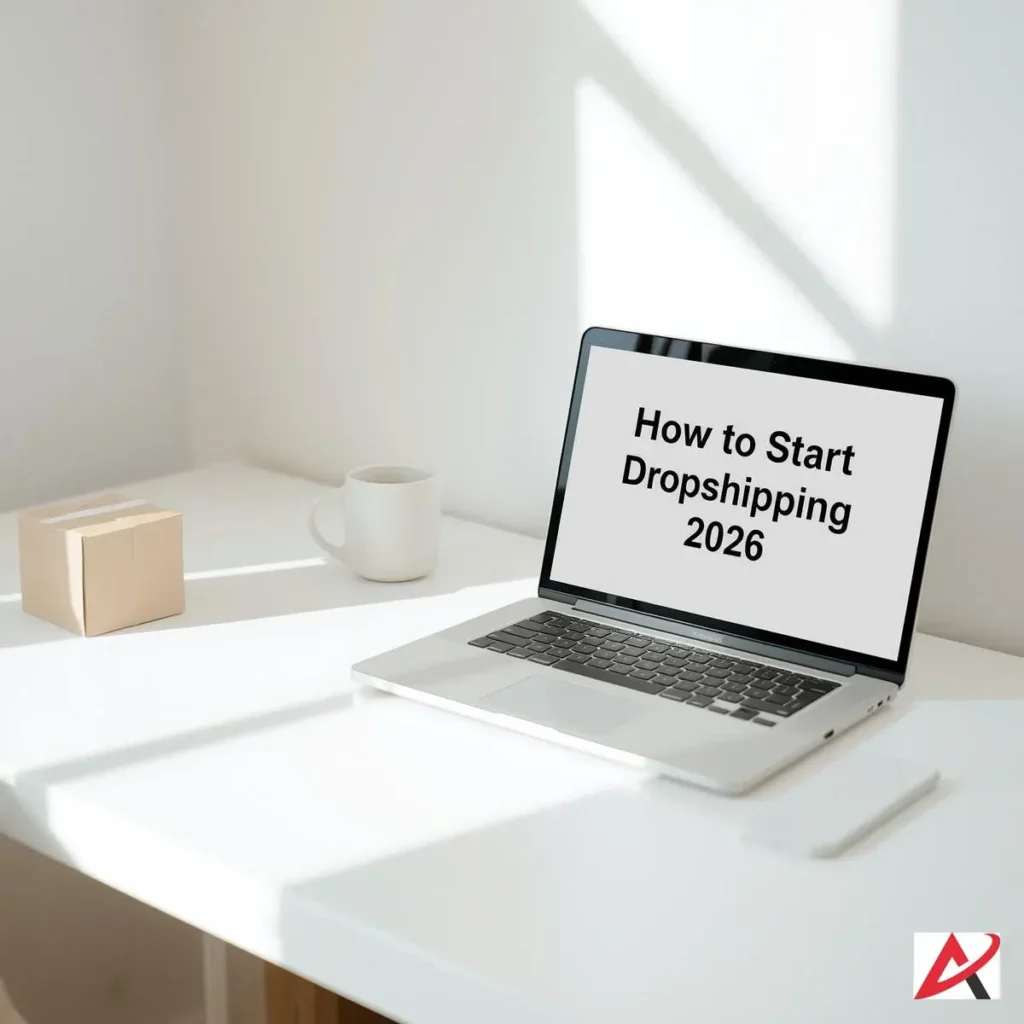
How to Start a Profitable Dropshipping Business in the U.S.

Starting a dropshipping business sounds perfect, with low start-up costs, no inventory and the freedom to work from anywhere. But the U.S. Most people have trouble turning that side hustle into a reliable full-time income.
Competition is tougher than ever, customer expectations are higher, and quick win strategies that worked a few years ago no longer deliver consistent results. Many beginners start a shop, do some advertising and give up when the profits don’t come right away.
But here’s the good news: dropshipping is far from dead, it’s just evolved. Those who treat it like a real business, focusing on smart product selection, fast US shipping and strong branding, will still be building profitable, scalable stores in 2026.
This guide takes you through the United States with practical, step-by-step strategies. You will learn how to start a profitable dropshipping business in the USA that will help you avoid common mistakes, find winning products and turn your store into a sustainable online business, more than just a side hustle.
What Is Dropshipping ?
Dropshipping is an e-commerce model where you sell products online without holding inventory. When a customer places an order, your supplier ships the product directly to them.
In the U.S. market, what matters most now:
- Fast delivery 2 to 5 days expected
- Easy returns domestic
- High product quality
- Strong branding
Yes, but only if you treat it like a real business and not just a side hustle.
The landscape has changed significantly. What worked a few years ago is no longer effective in today’s competitive U.S. market.
What’s changed:
- Slow shipping from overseas no longer works
- Generic, copy-paste stores fail to convert
- U.S. based suppliers or warehouses are now essential
- Strong branding and customer trust make all the difference
Reality check:
Most beginners lose money in their first 1 to 3 months before they find a product that actually works. This phase is normal and should be treated as a learning and testing period, not failure.
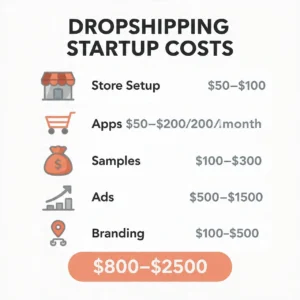
Real Startup Costs
Here’s what you actually need to start:
Expense | Estimated Cost |
Store setup (Shopify, domain) | $50 to $100 |
Apps & tools | $50 to $200/month |
Product samples | $100 to $300 |
Ads testing budget | $500 to $1,500 |
Branding (logo, creatives) | $100 to $300 |
Total realistic starting budget:
$800 to $2,500
Step 1: Choose a Profitable Niche
Choosing the right niche is the foundation of a successful dropshipping business. Instead of chasing random trending products, focus on items that solve real problems or improve everyday life. In the U.S. market, customers are more likely to buy products that offer convenience, comfort, or a clear benefit.
Winning niches in the U.S. (2026)
- Eco-friendly household products
- Pet accessories premium segment
- Home organization & convenience
- Fitness & recovery tools
- Senior-care silver economy products
Validation checklist:
- Solves a clear problem
- Priced between $25 to $100
- Not easily found at Walmart/Amazon locally
- Has emotional appeal comfort, convenience, status
Focusing on the right niche from the start makes marketing easier, improves conversions, and sets the foundation for a profitable U.S.-based dropshipping business.
Step 2: Find U.S. Friendly Suppliers
In 2026, fast shipping is your biggest competitive advantage in the U.S. market. Customers expect their orders to arrive quickly, and slow delivery can kill conversions, even for great products. That’s why choosing suppliers with U.S.-friendly fulfillment is crucial.
Shipping speed is your biggest competitive advantage.
Best supplier strategy:
- Use platforms like:
- AliExpress with U.S. warehouses
- Spocket U.S./EU suppliers
- Doba pre-vetted suppliers
- Always order samples first
Ideal supplier criteria:
- 3–5 day U.S. shipping
- Tracking included
- Consistent product quality
- Responsive communication
Pro tip: Have a backup supplier for every winning product.
Step 3: Build a High-Converting Store
Your dropshipping store shouldn’t feel like a random product page it should look and act like a real brand. In 2026, U.S. shoppers expect a smooth, trustworthy shopping experience, and first impressions matter more than ever.
Must-have elements:
- Clean, mobile, first design
- Fast load speed 2 seconds
- Simple navigation
- Trust badges + guarantees
- Clear return/refund policy
Product page formula:
- Problem-focused headline
- Short demo video UGC style
- Benefits not just features
- Customer reviews
- Strong CTA Buy Now
Step 4: Pricing for Profit
Pricing is more than just adding a markup it’s about finding the sweet spot between competitive, profitable, and appealing to your U.S. customers. A well-planned pricing strategy ensures your dropshipping business stays sustainable even after accounting for advertising costs.
Example:
- Product cost: $12
- Shipping: $5
- Total cost: $17
Sell price: $39.99
Profit before ads: $22
After ads:
- Cost per purchase: $12 to $18
Net profit: $4 to $10 per sale
Step 5: Marketing Strategy That Works in the U.S.
In 2026, old-school marketing tactics like generic Facebook ads and email blasts just don’t cut it anymore. To succeed in the competitive U.S. dropshipping market you need a modern, data-driven approach that leverages social commerce and authentic content.
Forget outdated strategies, this is what works now:
1. TikTok & Instagram Reels (Primary Channel)
- Short videos (10–30 sec)
- Show product solving a problem
- Use real people (UGC)
2. Influencer Seeding
- Send free products to micro-influencers
- Focus on engagement, not followers
3. Paid Ads (Testing Phase)
Beginner testing strategy:
- Test 3 to 5 products
- Budget: $10 to $30/day per product
- Run for 3 to 5 days
Kill products that don’t convert quickly.
Step 6: Legal Setup in the U.S.
Many beginners underestimate the legal and tax side of dropshipping and that’s where earliest failures happen. Getting your business structure right from day one protects your profits, keeps you compliant, and builds trust with customers. This is where many beginners fail.
Minimum requirements:
- Register an LLC recommended
- Get EIN for taxes
- Open business bank account
- Use payment processors Stripe, PayPal
Taxes:
- Sales tax varies by state
- Use tools like TaxJar or Avalara
If selling nationwide, understand sales tax nexus rules.
Step 7: Returns & Customer Experience
In 2026, customer experience is just as important as your product especially for U.S. buyers. Slow returns or poor support can tank your reputation and even get your ad accounts flagged. A smooth, trustworthy return process builds loyalty and protects your brand.
U.S. customers expect smooth returns.
Best practice:
- Offer 30-day returns
- Use U.S. return address or partner
- Refund quickly to build trust
Bad reviews can kill your ad account.
Step 8: Branding Long Term Profit
This is where dropshipping moves from a short-term hustle to a sustainable business. Real profit comes from building a brand that customers remember and return to not just selling one-off products.
Upgrade from dropshipper → brand:
- Custom packaging
- Branded inserts
- Unique product variations
- Build email/SMS list
Goal: Not just sales but repeat customers
Real Case Example
Let’s break down how a single winning product can generate consistent profit in the U.S.:
Product details:
- Cost: $10
- Selling price: $34.99
- Daily ad spends: $50
- Sales/day: 5
Revenue: $175
Cost of goods: $50
Ads: $50
Profit: $75/day
Scale increase ad spend + improve creatives
Common Mistakes to Avoid
- Choosing saturated products
- Ignoring shipping times
- Not testing enough products
- Using poor-quality creatives
- Quitting too early
Dropshipping vs Other Models
Model | Pros | Cons |
Dropshipping | Low risk, flexible | Lower margins |
Amazon FBA | Fast shipping | High upfront cost |
Private Label | High profit | Requires capital |
Best path:
Start with dropshipping → transition to private label
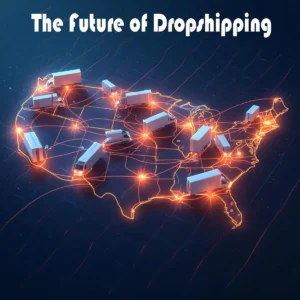
The Future of Dropshipping in the U.S.
By late 2026, trends include:
- Faster domestic fulfillment
- AI-driven personalization
- Eco-conscious products
- Short-form video dominance
Final Verdict: Is It Right for You?
Dropshipping in the U.S. is still one of the easiest ways to start an online business but only if you:
- Treat it seriously
- Invest in testing
- Focus on customer experience
- Build a real brand




















A WordPress Commenter
Hi, this is a comment.
To get started with moderating, editing, and deleting comments, please visit the Comments screen in the dashboard.
Commenter avatars come from Gravatar.