Now Reading: How to Start a Profitable Blog in 2026
-
01
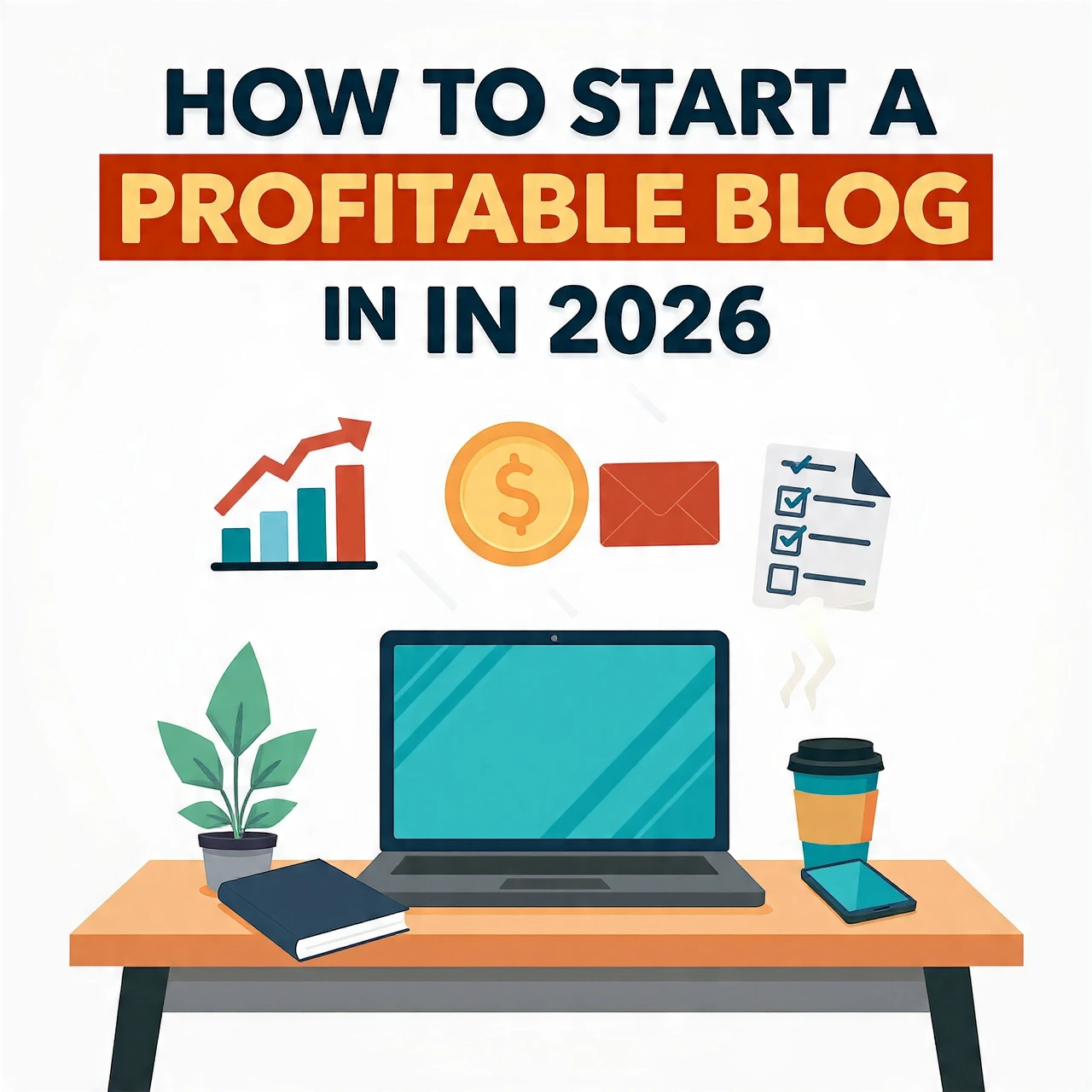
How to Start a Profitable Blog in 2026

Unleash the power of healthy habits with easy-to-follow tips that will boost your well-being and improve your daily life.
Starting a blog in 2026 is one of the most practical ways to build a consistent online income. Blogging is no longer just about writing articles; it’s about creating a complete system that attracts readers, builds trust, and generates revenue over time.
Imagine starting a blog today and gradually growing it into a reliable income source. With the right niche, content strategy, traffic generation methods, and monetization techniques, your blog can become a valuable digital asset. This guide will walk beginners through every step, explaining everything in a simple, realistic way so you can start and grow your blog effectively.

Step 1: Choose the Right Niche
The first step is selecting a niche—the main topic of your blog. Avoid choosing a topic that’s too broad. Instead, focus on a specific subject where people are actively searching for solutions.
Popular profitable niches include:
- Personal finance – saving, investing, budgeting
- Pet care – training, grooming, nutrition
- Fitness – home workouts, weight loss, wellness tips
- Home organization – decluttering, DIY storage, routines
- Online earning methods – freelancing, side hustles, passive income
Before finalizing your niche, ensure:
- People are searching for it (use Google Trends or Pinterest search)
- There are products or services you can promote
- You’re passionate enough to write consistently
A focused niche balances interest and demand, helping you rank faster and build authority. For instance, instead of general fitness, focus on “home workouts for beginners” or “weight loss tips for busy professionals.

Step 2: Set Up Your Blog
To build a professional blog, you need three basic things:
- A domain name – simple, memorable, and relevant
- Reliable hosting – ensures your website loads fast and stays online
- A self-hosted WordPress site – full control and scalability
Once your blog is live, create key pages that build trust and prepare for monetization:
- About Page – introduce yourself and your mission
- Contact Page – make it easy for readers or potential clients to reach you
- Privacy Policy – comply with legal requirements
- Disclaimer – be transparent, especially if using affiliate links
Choose a fast, responsive WordPress theme and install essential plugins for SEO, speed, and security, like Yoast SEO, WP Rocket, or Rank Math.
Step 3: Plan Your Content Strategy
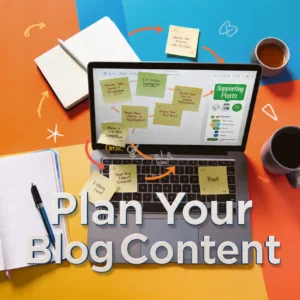
Random posting doesn’t work. Instead, create a structured content strategy around your niche.
Start with a main topic and create supporting articles. For example, if your niche is fitness:
- Main guide: Beginner workout plan
- Supporting posts: Home workouts, Diet plans, Fat loss tips
Focus on:
- Search intent – understand what your audience wants
- Long-tail keywords – target less competitive searches
- Clear, helpful content – solve real problems
Use a content calendar to plan at least 1 pillar post and 3 supporting posts per month. This structure improves search engine visibility and establishes your authority.

Step 4: Write High Quality Content
Your content is the heart of your blog. Tools can help with ideas, but your posts should include your personal understanding, examples, and touch of personality.
Write naturally and conversationally. You don’t need to be an expert—just helpful and honest. Include:
- Headings and bullet points for readability
- Visuals like images, infographics, and screenshots
- Personal stories or examples
Content that genuinely helps people performs better in search results and builds trust with your audience.

Step 5: Drive Traffic to Your Blog
Publishing content is only the start. You need to bring readers to your blog consistently.
Use multiple platforms for traffic:
- SEO / Search engines – optimize titles, headings, meta descriptions, and content for keywords
- Pinterest – create visually appealing pins with keyword-rich descriptions
- Short-form videos – TikTok, Instagram Reels, YouTube Shorts to repurpose blog content
- Email marketing – offer a free guide, checklist, or resource to collect emails and maintain long-term audience control
Also, cross-promote on social media platforms and guest post on related blogs to expand your reach.

Step 6: Start Monetizing Your Blog
Once traffic starts coming, you can begin earning. Common monetization methods include:
- Affiliate Marketing: Promote products and earn commissions
- Display Ads: Earn from ads once traffic grows
- Digital Products: Sell ebooks, templates, or guides for higher profit margins
- Sponsored Content: Brands may pay for promotion once your blog gains authority
Bundle your products, create a media kit, and continue exploring new income streams as your blog grows..
Step 7: Track and Improve
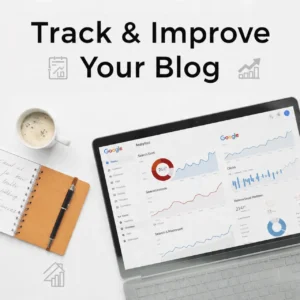
Understanding what works is key to growth. Use tools like Google Analytics and Search Console to track performance.
Focus on:
- Posts generating traffic
- Pages generating income
- Audience behavior and engagement
Double down on what’s working, update weaker content, and experiment with improvements to increase results.
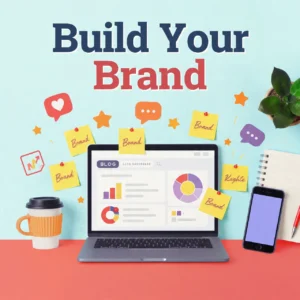
Step 8: Build Your Brand
Your blog is more than a website; it’s your brand. Decide on a tone and style, understand your readers, and communicate consistently.
Elements to focus on:
- Logo, colors, and visual identity
- Storytelling – share your journey, lessons, and tips
- Content style – make your posts helpful, honest, and engaging
When readers trust your brand, they are more likely to return and take action.
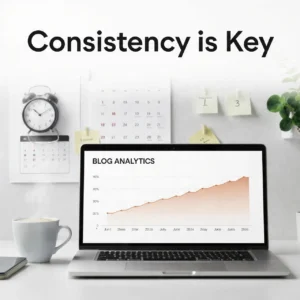
Step 9: Be Patient and Consistent
Blogging requires patience. Early months focus on content creation; traffic grows after consistent publishing, and income follows later.
Consistency is more important than speed. Even small daily improvements compound over time, turning your blog into a valuable asset.

Step 10: Build a Connection with Your Audience
Engage regularly with your readers.
- Reply to comments and emails
- Create communities on Facebook, Discord, or email groups
- Use surveys or polls to understand audience needs
Building relationships strengthens loyalty, encourages repeat visits, and increases long-term success.
Conclusion
Starting a blog in 2026 is about creating a system that combines content, traffic, trust, and monetization.
The most successful bloggers:
- Use multiple income streams
- Solve real problems
- Build strong relationships with their audience
With patience, consistency, and focus on providing value, your blog can grow into a reliable, scalable online income source.